Why Securement Is One of the Most Important Steps in Equipment Transport
Safe Hauling Starts with Securement
Transporting heavy equipment is a routine part of many industries. Construction companies, excavation contractors, landscapers, and equipment rental businesses all depend on moving machinery from one jobsite to another. While loading and unloading equipment often receive the most attention, one of the most critical steps in the entire process is securement. Properly securing equipment to a trailer helps ensure that the machinery arrives safely, protects the operator and other drivers on the road, and helps prevent costly damage.
Despite its importance, securement is sometimes treated as a simple final step rather than a central part of safe equipment transport. In reality, it plays a vital role in protecting both people and equipment during transit.
Preventing Equipment Movement During Transport
Heavy equipment is designed to perform demanding work, but when it is being transported on a trailer, it becomes vulnerable to movement if it is not properly secured. Even minor shifts in position can create dangerous situations on the road.
Vehicles encounter many forces during transport, including acceleration, braking, turns, and uneven road surfaces. These forces can cause equipment to shift if the securement system is not strong or stable enough to hold it in place.
A piece of equipment that moves during transit can damage the trailer, create hazards for other vehicles, or in severe cases fall from the trailer entirely. Proper securement ensures that the equipment remains firmly anchored throughout the journey.
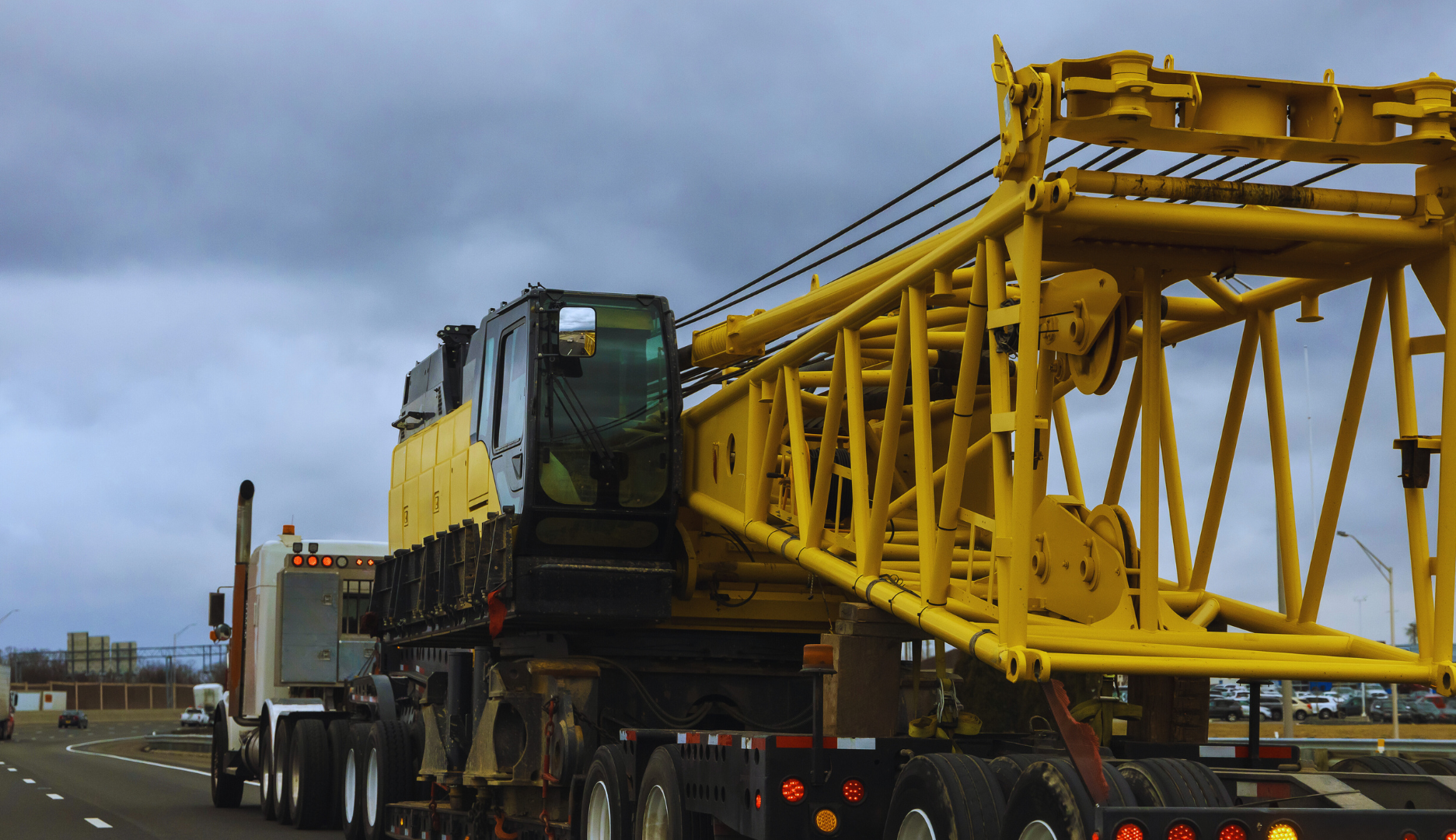
Protecting Valuable Equipment
Heavy machinery represents a significant investment for contractors and businesses. Excavators, skid steers, loaders, and other equipment can cost tens or even hundreds of thousands of dollars. Transporting these machines without proper securement exposes them to unnecessary risk.
When equipment shifts or vibrates excessively during transport, it can suffer damage to components such as hydraulics, tracks, attachments, or structural parts. Even small movements can cause scratches, dents, or misalignment.
Reliable securement systems help stabilize equipment so it remains in the correct position while traveling. This protects both the machine and the trailer carrying it.
Supporting Road Safety
Equipment transport does not occur in isolation. Contractors share public roads with other drivers, making safe securement essential for everyone on the road.
If a machine shifts or becomes unstable during transport, it can affect the handling of the truck and trailer. An unbalanced load may increase stopping distances or create difficulties when turning or changing lanes.
In extreme situations, poorly secured equipment can break loose and become a serious hazard to nearby vehicles. Ensuring that equipment is properly secured helps prevent these situations and contributes to safer roadways for everyone.
Meeting Transportation Regulations
Equipment securement is not only a matter of safety but also a matter of compliance. Transportation authorities have established regulations governing how heavy machinery must be secured during transport. These rules are designed to reduce accidents and ensure that loads remain stable on the road.
Contractors and equipment operators must follow these regulations when hauling machinery. Failure to do so can result in fines, delays, or other legal consequences.
Reliable securement systems help operators meet these requirements by providing dependable tie-down solutions designed for heavy equipment transport.
Reducing Time and Effort During Transport
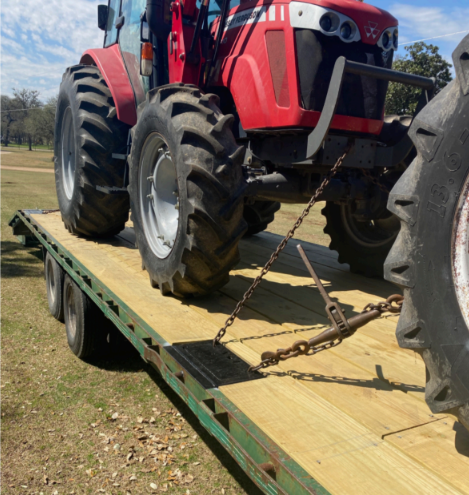
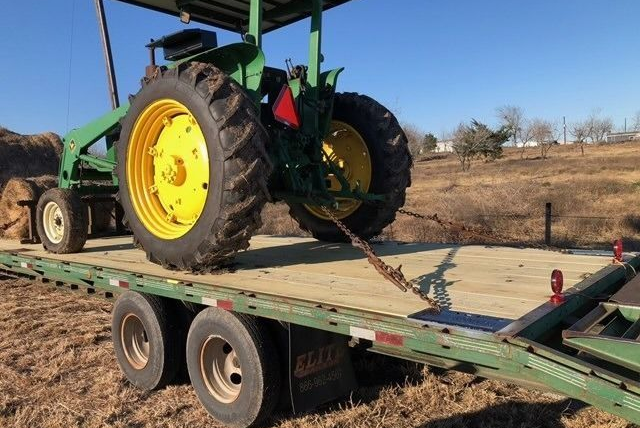
Traditional equipment securement methods often require operators to climb on and off trailers multiple times while attaching chains and binders. This process can be time-consuming and physically demanding.
Modern securement systems aim to streamline this process while maintaining strong and reliable load stability. By reducing the number of steps required to secure equipment, operators can save time while maintaining high safety standards.
Efficiency during the securement process also helps crews move more quickly between jobsites, improving overall productivity.
The Importance of Better Securement Solutions
The transportation of heavy equipment is a critical part of daily operations for many industries. Proper securement protects valuable machinery, supports road safety, and helps operators comply with transport regulations.
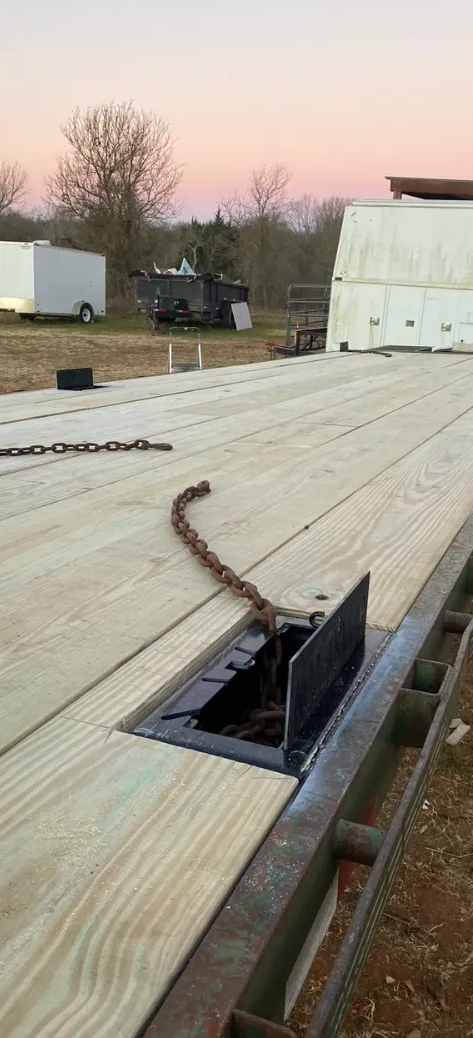
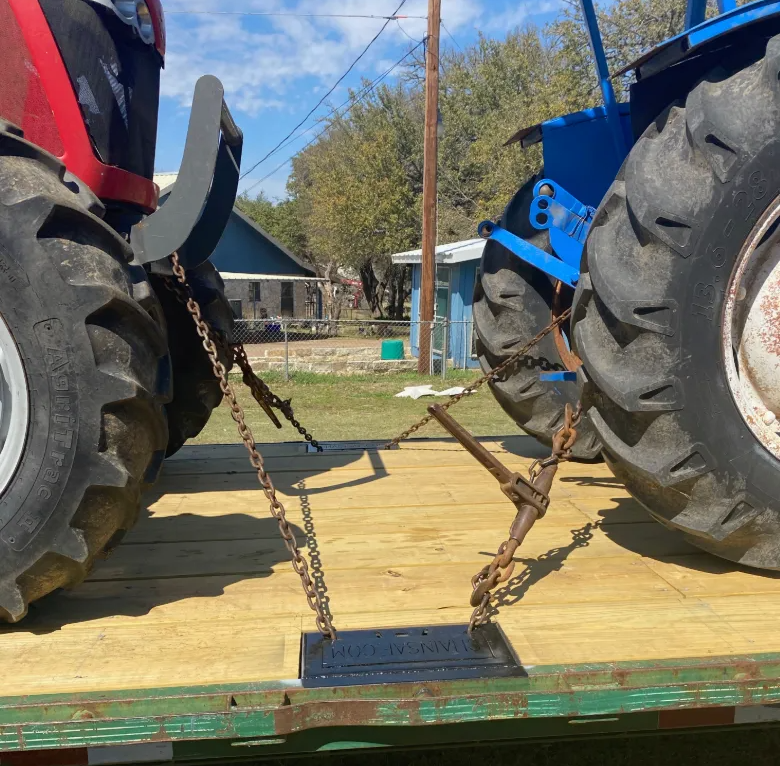
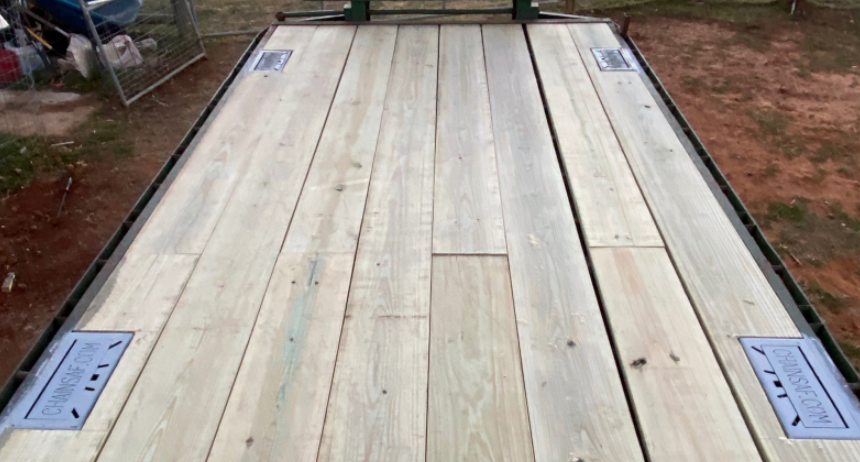
At Chainsaf, we focus on developing securement systems designed to improve safety and efficiency during equipment transport. Our flush-mount securement design helps operators secure machinery more effectively while maintaining full trailer deck space for loading and positioning equipment.
By improving the way equipment is secured during transport, operators can reduce risk, protect their investments, and move confidently from one jobsite to the next. In heavy equipment hauling, securement is not just a step in the process. It is one of the most important parts of ensuring safe and successful transport.