Why Securement Systems Should Be Built for Real Conditions, Not Ideal Ones

May 2, 2026

In equipment transport, there is a clear difference between how a load is expected to behave and how it actually behaves on the road. On paper, securement may appear straightforward. The load is positioned, tied down, and ready for transport. In practice, conditions are rarely that controlled. Roads vary, weather changes, and equipment shifts in ways that are not always predictable.


This gap between ideal conditions and real-world conditions is where many securement challenges begin. Systems that are designed only for controlled environments often struggle to perform consistently in the field.


The Reality of Transport Conditions

Transporting heavy equipment is not a static process. Once a load leaves the jobsite, it is exposed to a range of variables that influence how it behaves. Road surfaces can change from smooth pavement to uneven terrain within a short distance. Traffic patterns may require sudden braking or sharp turns. Weather conditions can introduce moisture, reduced visibility, or temperature fluctuations.


Each of these factors places stress on both the equipment and the securement system. What seemed stable at the start of the trip can begin to shift under these changing conditions. This is why securement must be designed with variability in mind rather than relying on ideal assumptions.
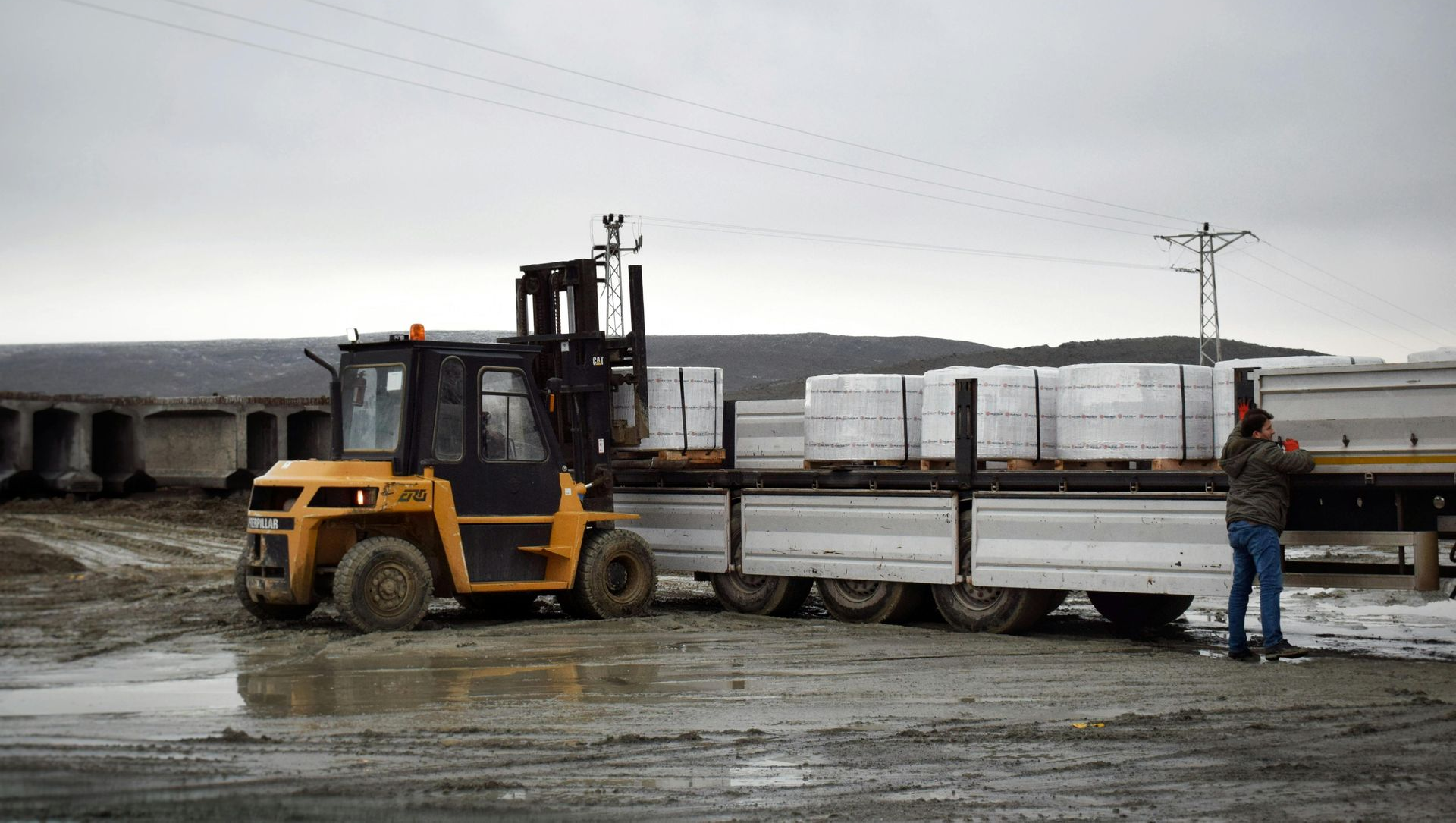
A yellow forklift loads white pallets onto a truck in a muddy, overcast industrial lot.

Movement Happens Even When It Is Not Obvious

One of the most overlooked aspects of transport is that movement does not need to be dramatic to create problems. Small shifts can occur gradually as the vehicle travels. These shifts may not be visible during the trip, but they can change the distribution of weight and tension within the securement system.


Over time, this can lead to reduced stability and increased risk. A system that does not account for this type of movement may lose effectiveness even if it was properly applied at the beginning of the journey.


The Limitations of Traditional Securement Methods

Traditional securement approaches often rely on methods that work well under controlled conditions but require constant attention to remain effective. Chains and binders, for example, depend heavily on proper tension and consistent application.


In real-world conditions, maintaining that consistency can be challenging. Variations in load shape, surface contact, and operator technique can all influence how well the system performs. When conditions change, these methods may require adjustment to maintain their effectiveness.


This reliance on ideal setup conditions can introduce risk, especially when time pressures or environmental factors make adjustments difficult.
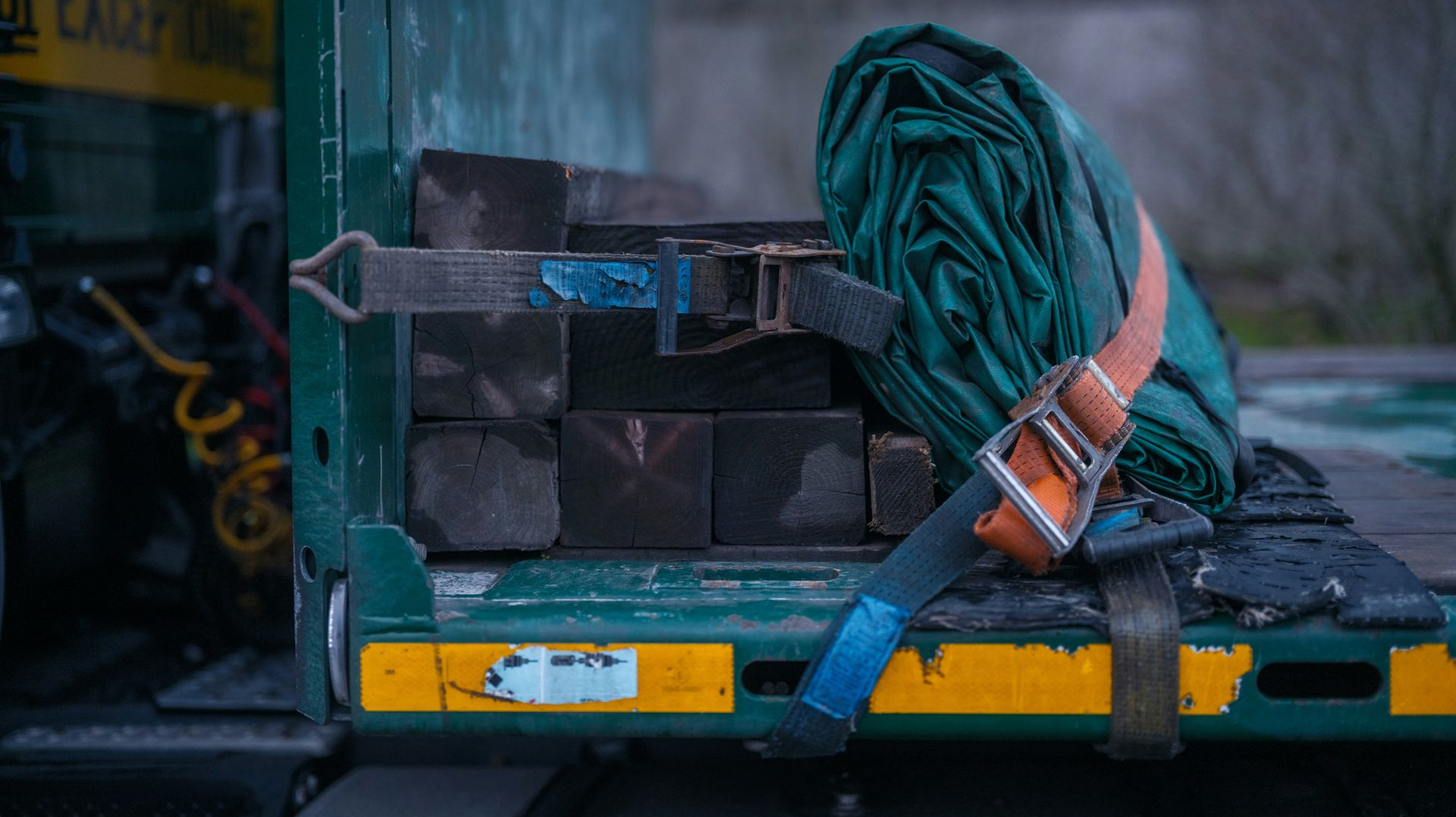
Coiled green hose secured with a tan strap on the back of a truck bed with metal boxes.

Designing for Consistency Under Pressure

Securement systems that perform well in the field are those that are designed to reduce variability. Instead of depending on perfect conditions or repeated adjustments, they are built to maintain stability across a range of scenarios.


This approach focuses on:

  • Reducing the number of variables that affect performance
  • Simplifying the securement process
  • Supporting consistent results regardless of conditions


By prioritizing consistency, these systems help ensure that securement remains effective even when conditions are less than ideal.
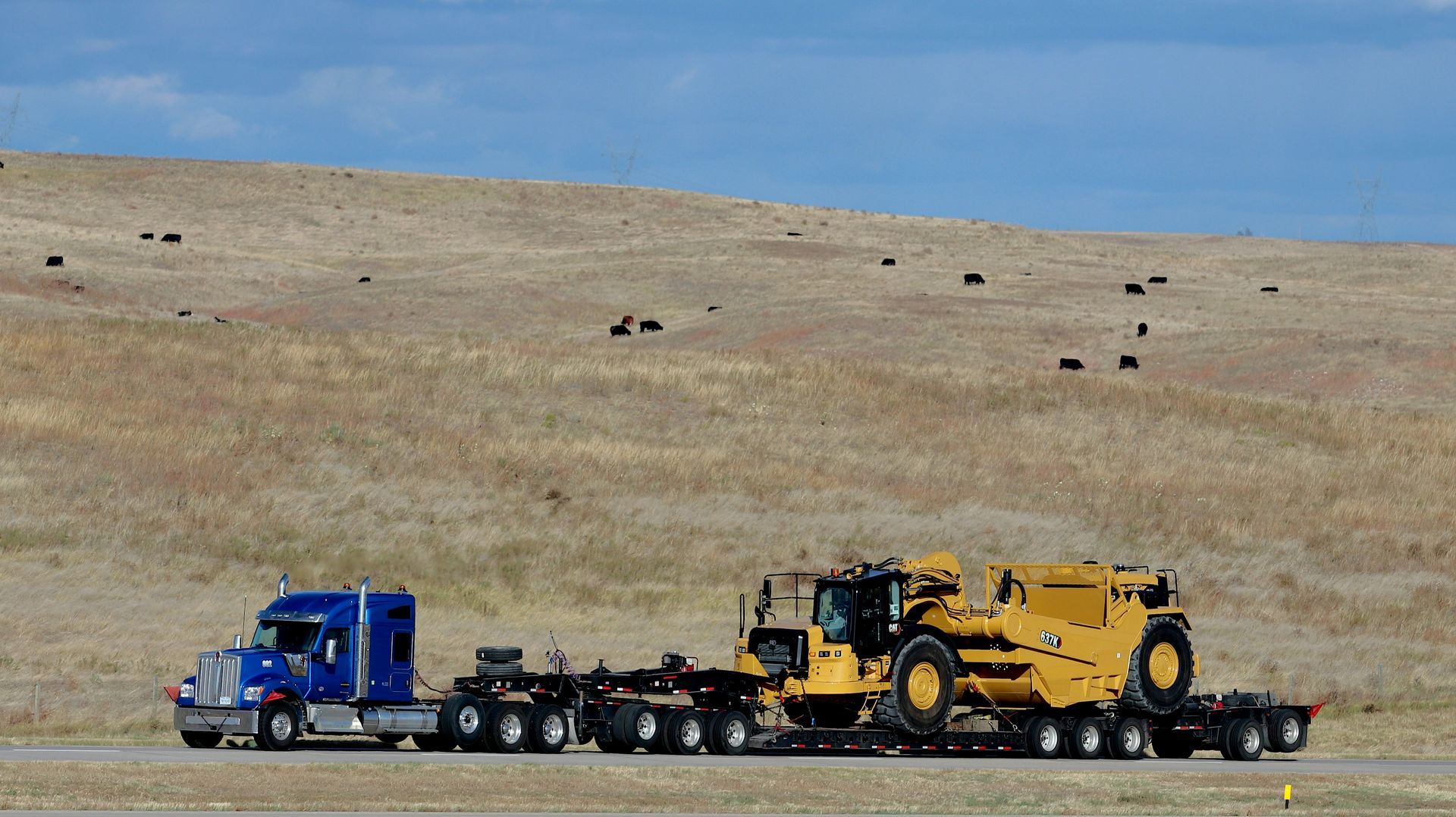
A blue semi-truck pulling a flatbed trailer carrying a yellow Caterpillar scraper on a road against a grassy, hilly backdrop.

Reducing Complexity to Improve Reliability

Complex systems often introduce more opportunities for error. In fast-paced work environments, simplicity can be a key factor in maintaining safety and efficiency.


Securement systems that are easier to use tend to produce more consistent results. When operators can apply securement quickly and confidently, there is less reliance on guesswork or repeated adjustments. This reduces the likelihood of inconsistencies that can develop over time.


A Practical Approach to Safer Transport

Equipment transport does not take place under perfect conditions. It happens in environments that are constantly changing, where small variables can have a significant impact. Securement systems must reflect this reality.


Chainsaf designs securement solutions that are built for real-world conditions, focusing on safety, efficiency, and consistency in the field. By reducing complexity and improving reliability, these systems help operators maintain control from the jobsite to the destination.


If your goal is to improve how your equipment is secured and transported, contact Chainsaf to explore solutions designed for the conditions you actually face every day.
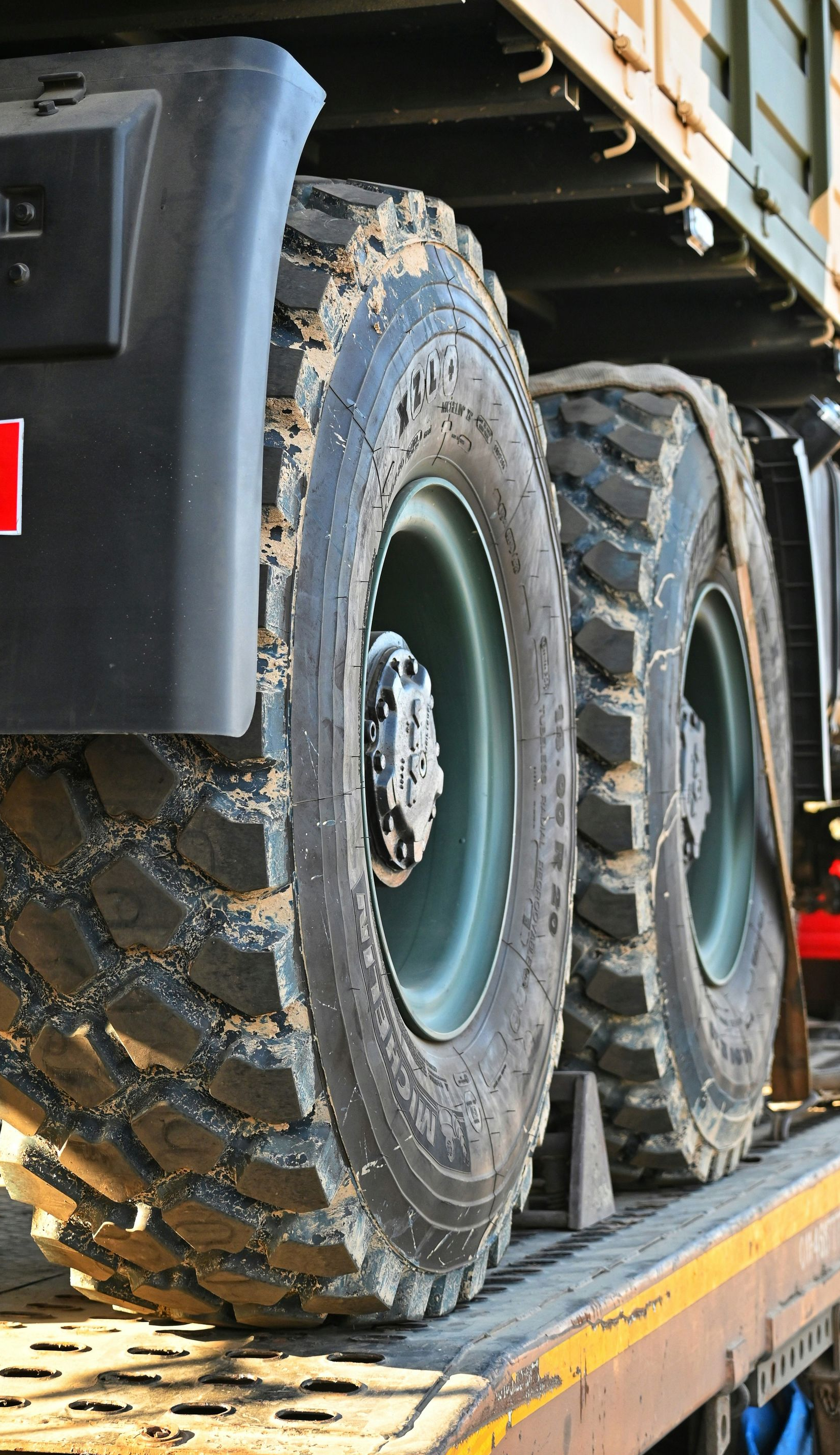
Close-up of two large, deep-tread military truck tires mounted on olive-drab rims, resting on a flatbed transport vehicle.
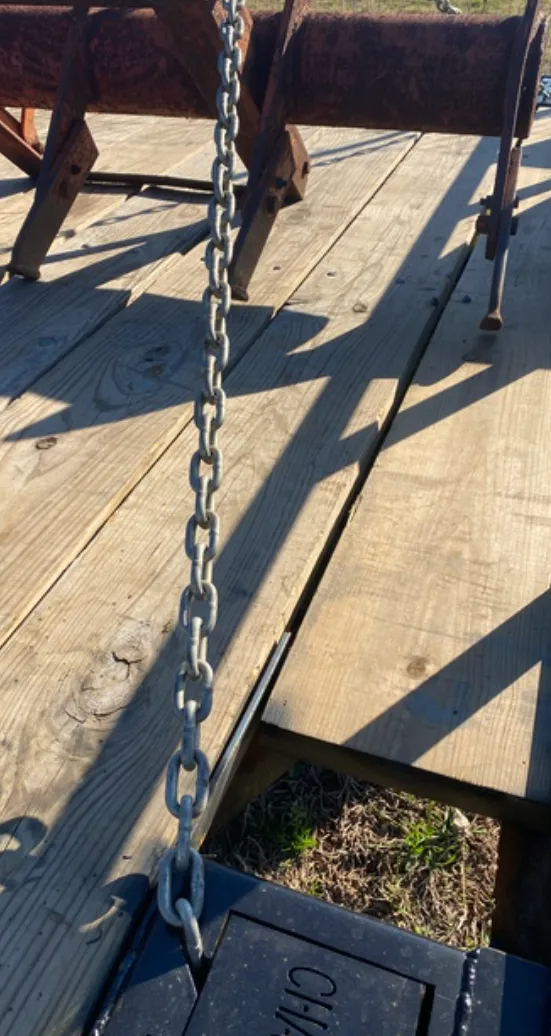
A metal chain hangs vertically from a black tool box mounted on the wooden deck of a trailer, near a rusty metal frame.
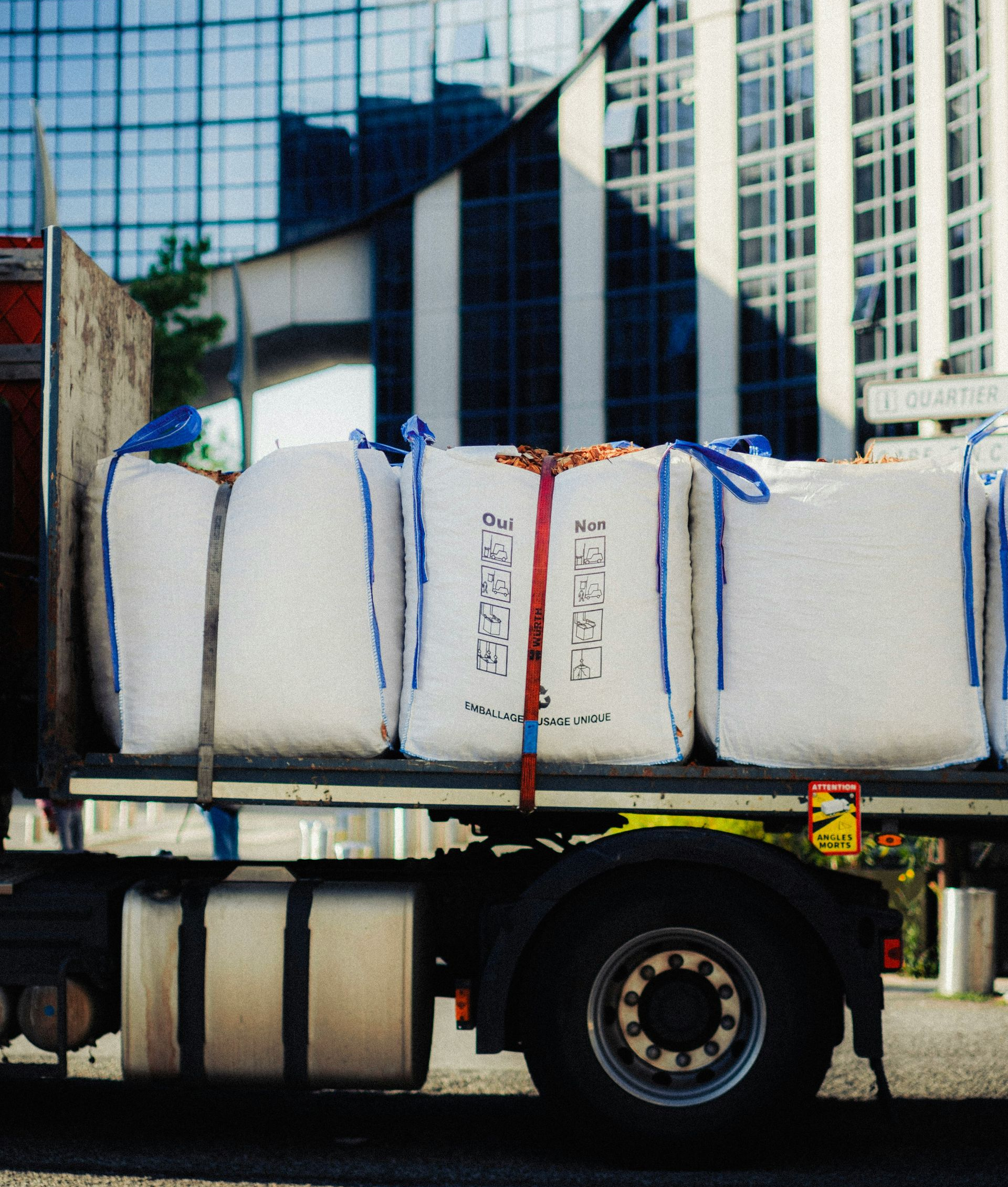
Flatbed truck carrying large white wrapped cargo strapped down in front of a glass office building
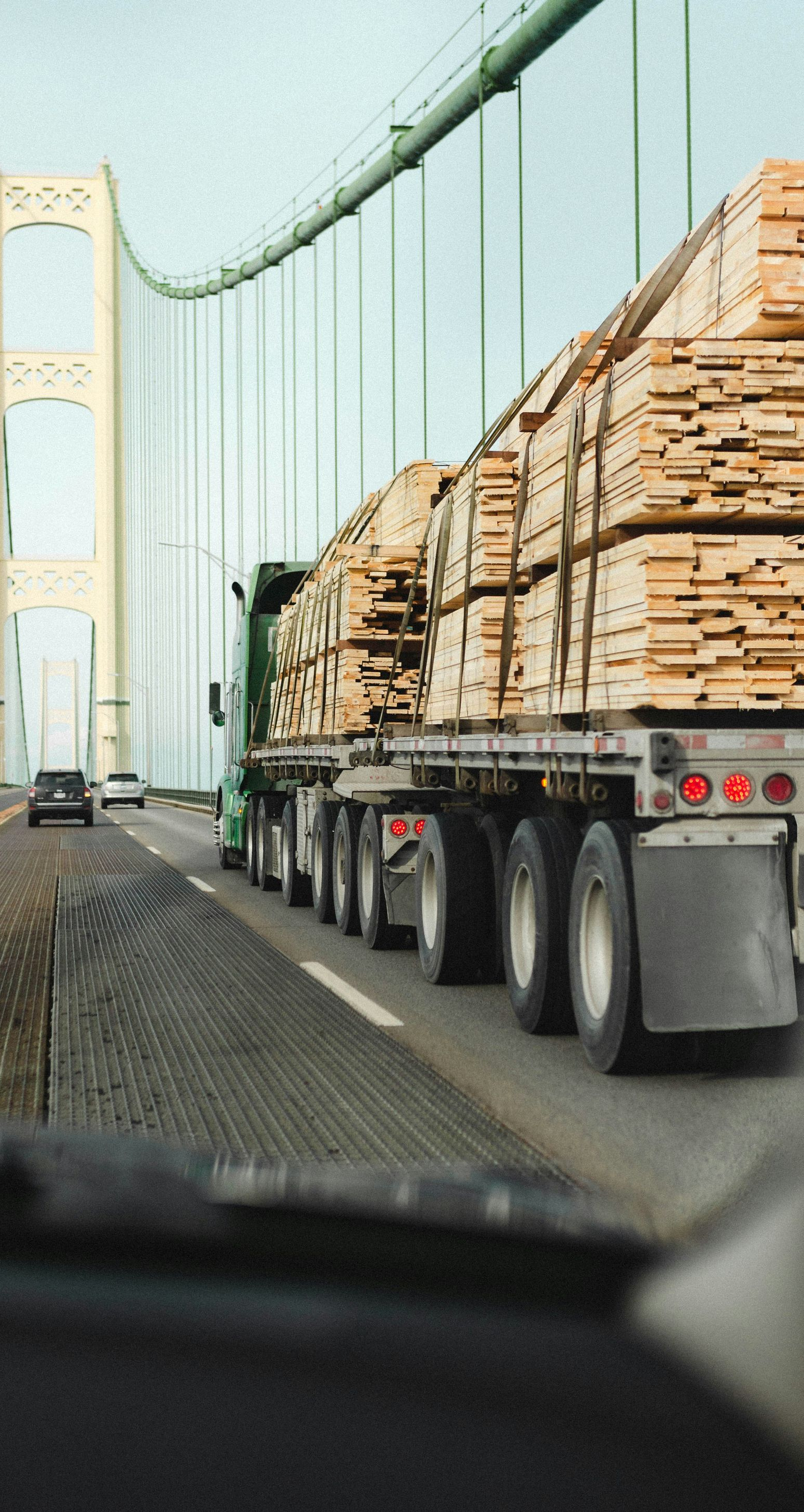
Flatbed truck loaded with lumber driving on a suspension bridge in light traffic
April 23, 2026
There are moments in the transportation industry that serve as stark reminders of how critical proper load securement truly is. A recent crash in Beaumont, Texas is one of those moments . It is important to begin by acknowledging the seriousness of incidents like this. When accidents involve heavy equipment and everyday drivers, the consequences can be life-altering, and in some cases, tragic. Our thoughts are with those affected, and with anyone who has experienced loss or injury in similar situations. This incident highlights a reality that cannot be overlooked. Load securement is not just a procedural step. It is a matter of public safety. A Real-World Example of What Can Go Wrong On April 17, 2026 , an SUV driver was injured when an 18-wheeler traveling through an intersection lost part of its load. According to reports , two 10-ton weights fell from the truck and struck the vehicle while it was stopped at a light. The driver was transported to a hospital, and the truck operator was cited for carrying an unsecured load.  This was not a high-speed highway collision . It occurred in a controlled environment, at an intersection, where drivers typically expect a degree of safety. That is what makes incidents like this especially concerning.
April 15, 2026
On paper, equipment securement can seem straightforward. There are guidelines to follow, chains to tighten, and procedures to complete before hitting the road. In reality, jobsite conditions are rarely ideal. Uneven ground, time pressure, weather, and varying equipment types all introduce challenges that go beyond basic instructions. This is why securement systems need to be designed with real-world use in mind . A system that works in controlled conditions is not always effective in the field. The Difference Between Theory and Practice Many securement methods are based on standardized procedures. While these are important for safety and compliance, they do not always reflect how work is actually performed on a jobsite.  In real-world conditions, operators may face: Limited space to position equipment Uneven or unstable surfaces Time constraints between tasks Variations in equipment size and shape A securement system must be able to adapt to these factors without adding unnecessary complexity.
April 8, 2026
At the end of a long workday, fatigue is expected. Hauling equipment, operating machinery, and managing jobsite demands all require physical and mental effort. However, one part of the process often contributes more to that fatigue than most operators realize: load securement. While securing equipment may seem routine, the way it is done can have a noticeable impact on how much energy is used throughout the day. Improving that process can help reduce strain and make the workday more manageable from start to finish.  Fatigue Builds From Repetition Most operators do not secure a load just once per day. Depending on the job, it may happen multiple times. Each cycle involves similar movements: Walking back and forth to retrieve chains and binders Lifting and carrying heavy equipment Climbing on and off the trailer Repeating the same setup and adjustment steps Individually, these actions may not feel significant. Over time, however, repetition adds up . What starts as a routine task can become a major contributor to overall fatigue.
April 1, 2026
For many operators, securing a load is just part of the job. It is something that gets done at the end of loading, often without much thought about the process itself. However, when you take a closer look, traditional load securement involves more steps than most people realize. Breaking that process down can reveal where time is lost, where effort adds up, and where improvements can make a noticeable difference. The Process Starts Before You Even Begin Before chains are tightened or binders are locked, the securement process often begins with gathering equipment. In a traditional setup, this usually means: Walking back to the truck or storage area Retrieving chains, binders, or straps Carrying them to the trailer This step alone may not seem significant, but it is repeated every time a load is secured. Over the course of a day, that back-and-forth movement adds up.
March 27, 2026
Strength You Can Count On In industries such as construction, excavation, landscaping, and equipment transport, reliability is not optional. The tools and systems used every day must perform under demanding conditions, often without room for error. When equipment fails, the consequences can include delays, added costs, and potential safety risks. For this reason, many professionals place a strong emphasis on using American-made equipment in heavy-duty applications. Choosing equipment manufactured in the United States is not only a matter of preference. It often reflects a commitment to durability, quality, and long-term performance in environments where equipment is expected to work hard every day. Built for Demanding Conditions Heavy-duty applications place constant stress on equipment. Securement systems, trailers, and machinery must withstand heavy loads, vibration during transport, and exposure to changing weather conditions. American-made equipment is often designed with these challenges in mind . Manufacturers that operate within the United States are typically familiar with the specific demands of domestic industries and build products to meet those expectations. Materials, design standards, and construction methods are selected to ensure that equipment can handle real-world use rather than ideal conditions.
March 20, 2026
Safe Hauling Starts with Securement Transporting heavy equipment is a routine part of many industries. Construction companies, excavation contractors, landscapers, and equipment rental businesses all depend on moving machinery from one jobsite to another. While loading and unloading equipment often receive the most attention, one of the most critical steps in the entire process is securement. Properly securing equipment to a trailer helps ensure that the machinery arrives safely, protects the operator and other drivers on the road, and helps prevent costly damage. Despite its importance, securement is sometimes treated as a simple final step rather than a central part of safe equipment transport. In reality, it plays a vital role in protecting both people and equipment during transit. Preventing Equipment Movement During Transport Heavy equipment is designed to perform demanding work, but when it is being transported on a trailer, it becomes vulnerable to movement if it is not properly secured. Even minor shifts in position can create dangerous situations on the road. Vehicles encounter many forces during transport, including acceleration, braking, turns, and uneven road surfaces. These forces can cause equipment to shift if the securement system is not strong or stable enough to hold it in place.  A piece of equipment that moves during transit can damage the trailer, create hazards for other vehicles, or in severe cases fall from the trailer entirely. Proper securement ensures that the equipment remains firmly anchored throughout the journey.
April 23, 2026
There are moments in the transportation industry that serve as stark reminders of how critical proper load securement truly is. A recent crash in Beaumont, Texas is one of those moments . It is important to begin by acknowledging the seriousness of incidents like this. When accidents involve heavy equipment and everyday drivers, the consequences can be life-altering, and in some cases, tragic. Our thoughts are with those affected, and with anyone who has experienced loss or injury in similar situations. This incident highlights a reality that cannot be overlooked. Load securement is not just a procedural step. It is a matter of public safety. A Real-World Example of What Can Go Wrong On April 17, 2026 , an SUV driver was injured when an 18-wheeler traveling through an intersection lost part of its load. According to reports , two 10-ton weights fell from the truck and struck the vehicle while it was stopped at a light. The driver was transported to a hospital, and the truck operator was cited for carrying an unsecured load.  This was not a high-speed highway collision . It occurred in a controlled environment, at an intersection, where drivers typically expect a degree of safety. That is what makes incidents like this especially concerning.
April 15, 2026
On paper, equipment securement can seem straightforward. There are guidelines to follow, chains to tighten, and procedures to complete before hitting the road. In reality, jobsite conditions are rarely ideal. Uneven ground, time pressure, weather, and varying equipment types all introduce challenges that go beyond basic instructions. This is why securement systems need to be designed with real-world use in mind . A system that works in controlled conditions is not always effective in the field. The Difference Between Theory and Practice Many securement methods are based on standardized procedures. While these are important for safety and compliance, they do not always reflect how work is actually performed on a jobsite.  In real-world conditions, operators may face: Limited space to position equipment Uneven or unstable surfaces Time constraints between tasks Variations in equipment size and shape A securement system must be able to adapt to these factors without adding unnecessary complexity.
April 8, 2026
At the end of a long workday, fatigue is expected. Hauling equipment, operating machinery, and managing jobsite demands all require physical and mental effort. However, one part of the process often contributes more to that fatigue than most operators realize: load securement. While securing equipment may seem routine, the way it is done can have a noticeable impact on how much energy is used throughout the day. Improving that process can help reduce strain and make the workday more manageable from start to finish.  Fatigue Builds From Repetition Most operators do not secure a load just once per day. Depending on the job, it may happen multiple times. Each cycle involves similar movements: Walking back and forth to retrieve chains and binders Lifting and carrying heavy equipment Climbing on and off the trailer Repeating the same setup and adjustment steps Individually, these actions may not feel significant. Over time, however, repetition adds up . What starts as a routine task can become a major contributor to overall fatigue.
April 1, 2026
For many operators, securing a load is just part of the job. It is something that gets done at the end of loading, often without much thought about the process itself. However, when you take a closer look, traditional load securement involves more steps than most people realize. Breaking that process down can reveal where time is lost, where effort adds up, and where improvements can make a noticeable difference. The Process Starts Before You Even Begin Before chains are tightened or binders are locked, the securement process often begins with gathering equipment. In a traditional setup, this usually means: Walking back to the truck or storage area Retrieving chains, binders, or straps Carrying them to the trailer This step alone may not seem significant, but it is repeated every time a load is secured. Over the course of a day, that back-and-forth movement adds up.
March 27, 2026
Strength You Can Count On In industries such as construction, excavation, landscaping, and equipment transport, reliability is not optional. The tools and systems used every day must perform under demanding conditions, often without room for error. When equipment fails, the consequences can include delays, added costs, and potential safety risks. For this reason, many professionals place a strong emphasis on using American-made equipment in heavy-duty applications. Choosing equipment manufactured in the United States is not only a matter of preference. It often reflects a commitment to durability, quality, and long-term performance in environments where equipment is expected to work hard every day. Built for Demanding Conditions Heavy-duty applications place constant stress on equipment. Securement systems, trailers, and machinery must withstand heavy loads, vibration during transport, and exposure to changing weather conditions. American-made equipment is often designed with these challenges in mind . Manufacturers that operate within the United States are typically familiar with the specific demands of domestic industries and build products to meet those expectations. Materials, design standards, and construction methods are selected to ensure that equipment can handle real-world use rather than ideal conditions.
March 20, 2026
Safe Hauling Starts with Securement Transporting heavy equipment is a routine part of many industries. Construction companies, excavation contractors, landscapers, and equipment rental businesses all depend on moving machinery from one jobsite to another. While loading and unloading equipment often receive the most attention, one of the most critical steps in the entire process is securement. Properly securing equipment to a trailer helps ensure that the machinery arrives safely, protects the operator and other drivers on the road, and helps prevent costly damage. Despite its importance, securement is sometimes treated as a simple final step rather than a central part of safe equipment transport. In reality, it plays a vital role in protecting both people and equipment during transit. Preventing Equipment Movement During Transport Heavy equipment is designed to perform demanding work, but when it is being transported on a trailer, it becomes vulnerable to movement if it is not properly secured. Even minor shifts in position can create dangerous situations on the road. Vehicles encounter many forces during transport, including acceleration, braking, turns, and uneven road surfaces. These forces can cause equipment to shift if the securement system is not strong or stable enough to hold it in place.  A piece of equipment that moves during transit can damage the trailer, create hazards for other vehicles, or in severe cases fall from the trailer entirely. Proper securement ensures that the equipment remains firmly anchored throughout the journey.