How Better Securement Can Reduce End-of-Day Fatigue
At the end of a long workday, fatigue is expected. Hauling equipment, operating machinery, and managing jobsite demands all require physical and mental effort. However, one part of the process often contributes more to that fatigue than most operators realize: load securement.
While securing equipment may seem routine, the way it is done can have a noticeable impact on how much energy is used throughout the day. Improving that process can help reduce strain and make the workday more manageable from start to finish.
Fatigue Builds From Repetition
Most operators do not secure a load just once per day. Depending on the job, it may happen multiple times. Each cycle involves similar movements:
- Walking back and forth to retrieve chains and binders
- Lifting and carrying heavy equipment
- Climbing on and off the trailer
- Repeating the same setup and adjustment steps
Individually, these actions may not feel significant. Over time, however,
repetition adds up. What starts as a routine task can become a major contributor to overall fatigue.
Physical Strain Is Often Overlooked
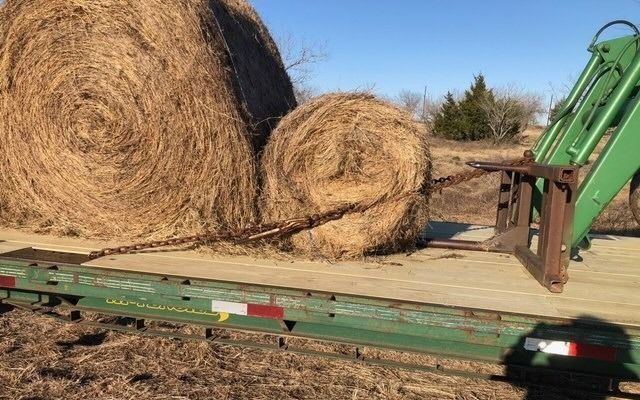
Load securement requires more than just time. It also involves physical effort in positions that are not always ideal. Reaching, bending, and pulling chains into place can put strain on:
- The back and shoulders
- The arms and hands
- The knees from repeated climbing
These movements are often performed quickly and under pressure, which can increase the likelihood of discomfort as the day progresses. Because securement is considered part of the job, this strain is often accepted rather than questioned.
Climbing Adds to the Wear
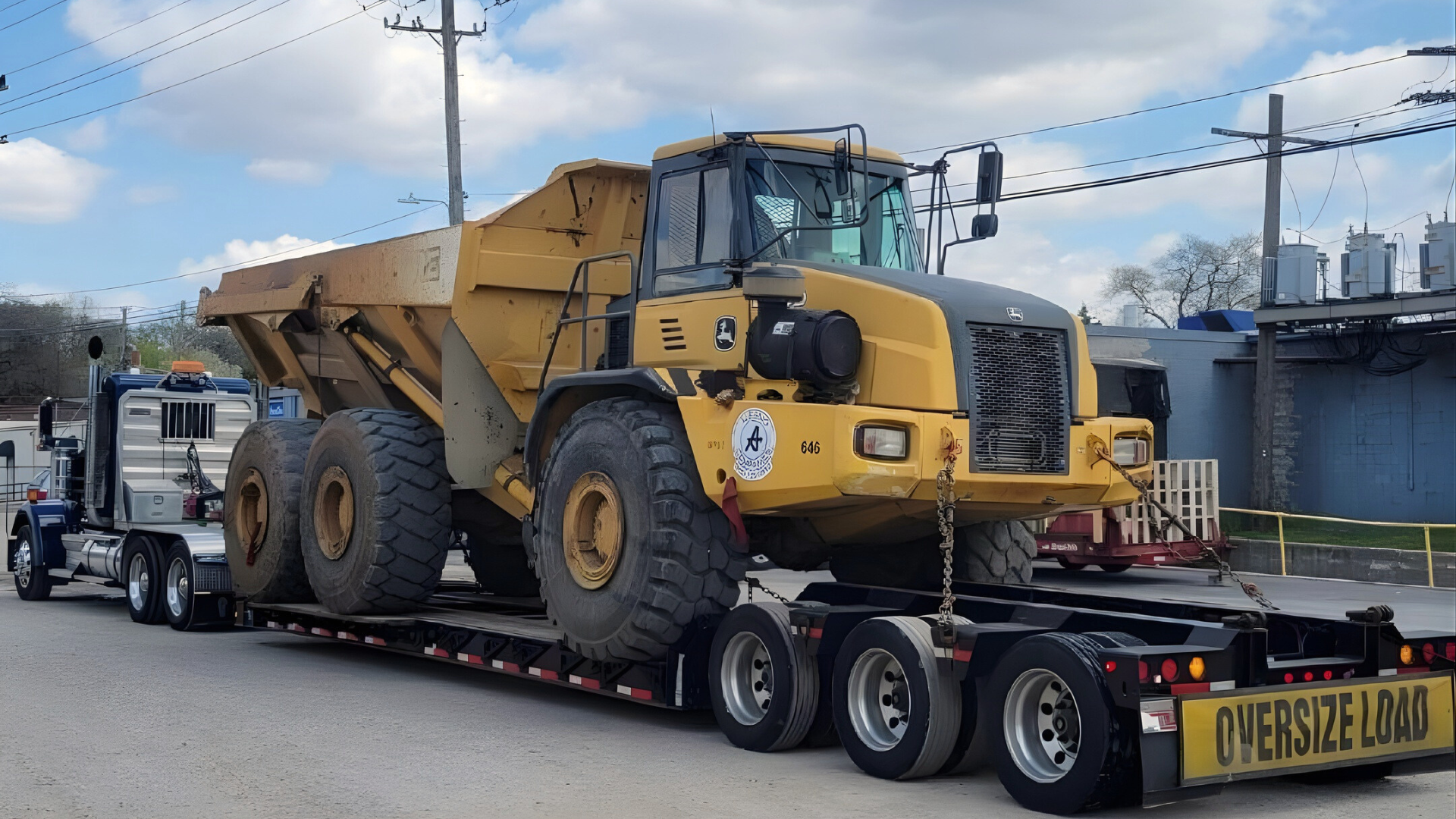
One of the most physically demanding aspects of traditional securement is climbing onto and off the trailer. This movement is repeated multiple times for each load, especially when adjusting chains or checking connections.
Over the course of a day, this can result in:
- Increased fatigue in the legs
- Greater risk of missteps or slips
- Additional
strain on joints
Reducing the need to climb repeatedly can make a noticeable difference in how an operator feels by the end of the day.
Mental Fatigue Plays a Role Too
Physical effort is only part of the equation. Load securement also requires attention to detail. Each connection must be properly placed, tensioned, and checked.
When the process is inefficient or disorganized, it can create mental strain as well. Operators may need to:
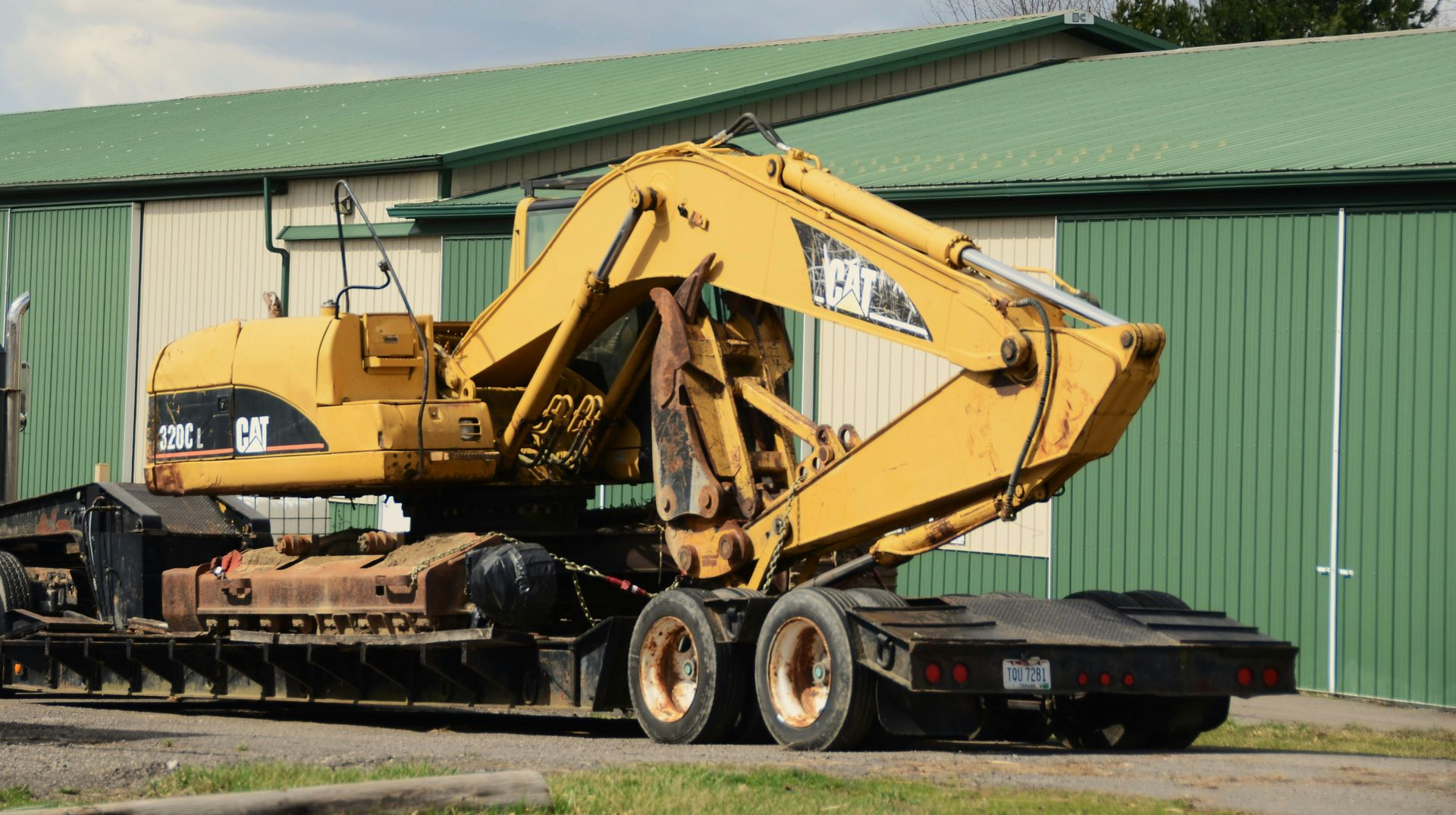
- Keep track of multiple loose chains and binders
- Reposition equipment to correct placement issues
- Double-check work due to uncertainty
This added mental effort contributes to overall fatigue, especially during longer shifts.
Small Improvements Add Up
Reducing fatigue does not always require major changes. Small improvements in the securement process can have a meaningful impact over time.
For example:
- Keeping equipment organized and within reach reduces unnecessary movement
- Streamlining steps eliminates repetition
- Improving workflow allows tasks to be completed more efficiently
These adjustments help conserve energy, allowing operators to maintain consistency throughout the day.
Efficiency Supports Endurance
When securement becomes more efficient, it does more than save time. It supports endurance. Operators can move through tasks with less effort, reducing the physical and mental toll of repeated actions.
This can lead to:
- More consistent performance throughout the day
- Less strain at the end of a shift
- Improved focus on other aspects of the job
Efficiency and fatigue are closely connected. When one improves, the other often follows.
Rethinking Securement as Part of the Workflow
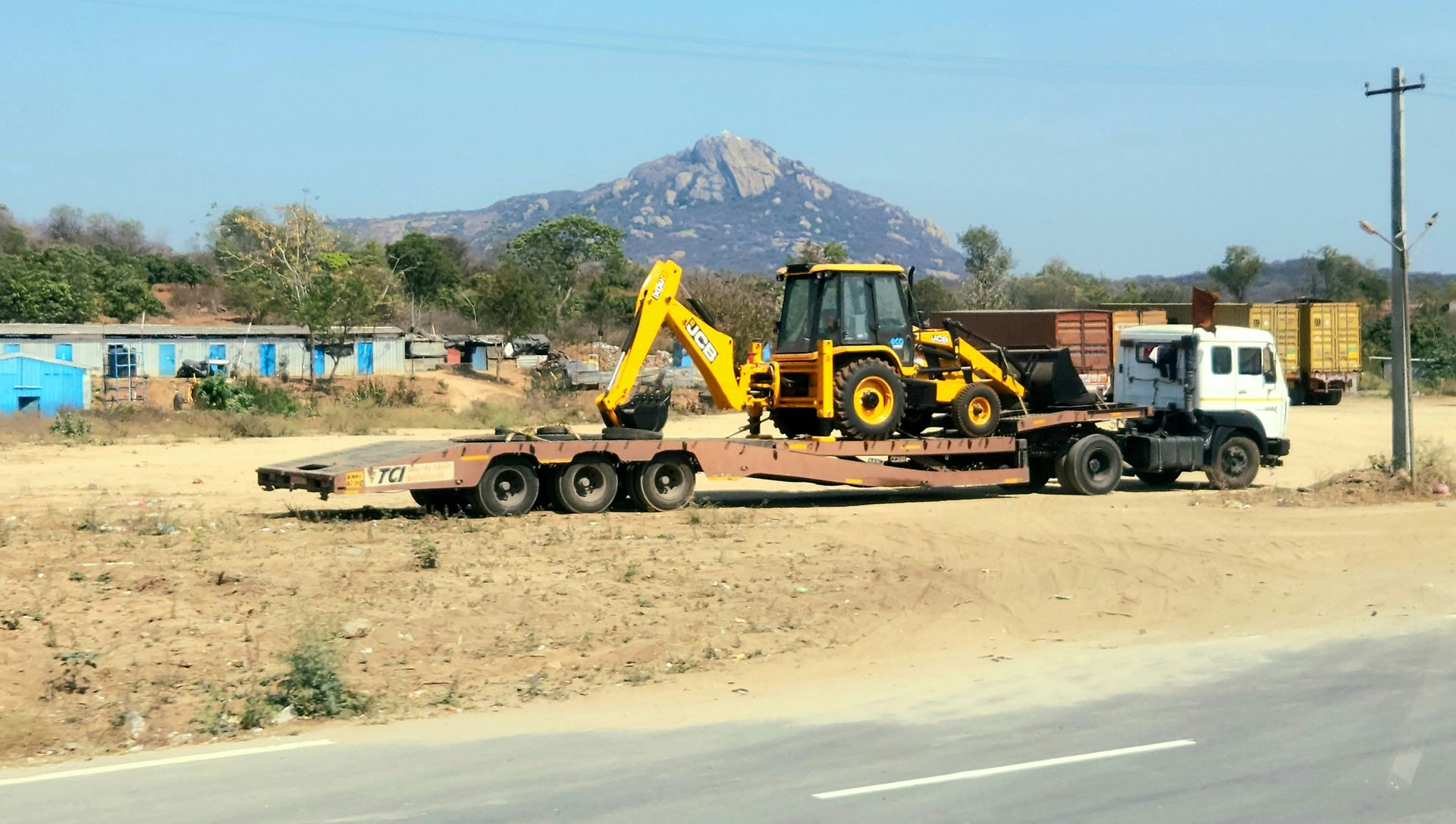
Instead of viewing load securement as a separate task, it can be helpful to see it as part of the overall workflow. When the process is integrated and streamlined, it becomes less disruptive and less demanding.
This approach shifts the focus from simply completing the task to completing it in a way that supports long-term performance.
A Smarter Way to Work
End-of-day fatigue may never be eliminated entirely, but it can be reduced by improving how routine tasks are handled. Load securement is one area where changes can make a noticeable difference.
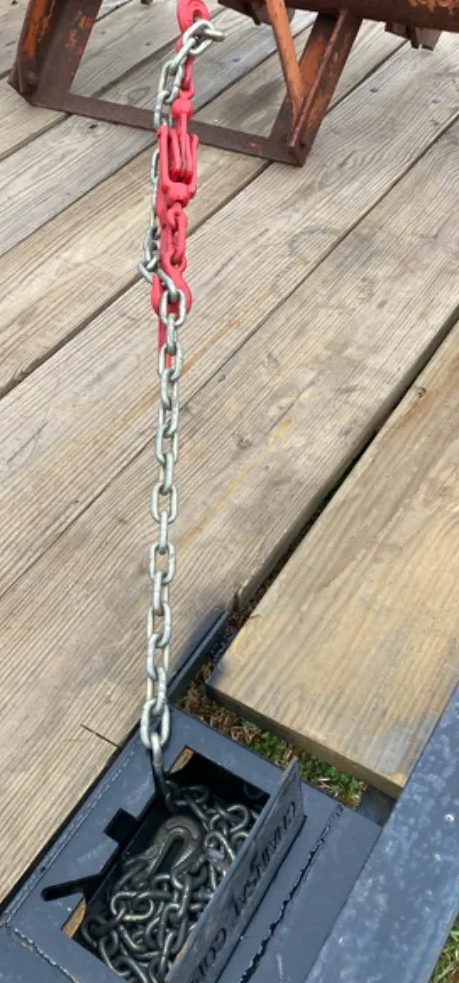
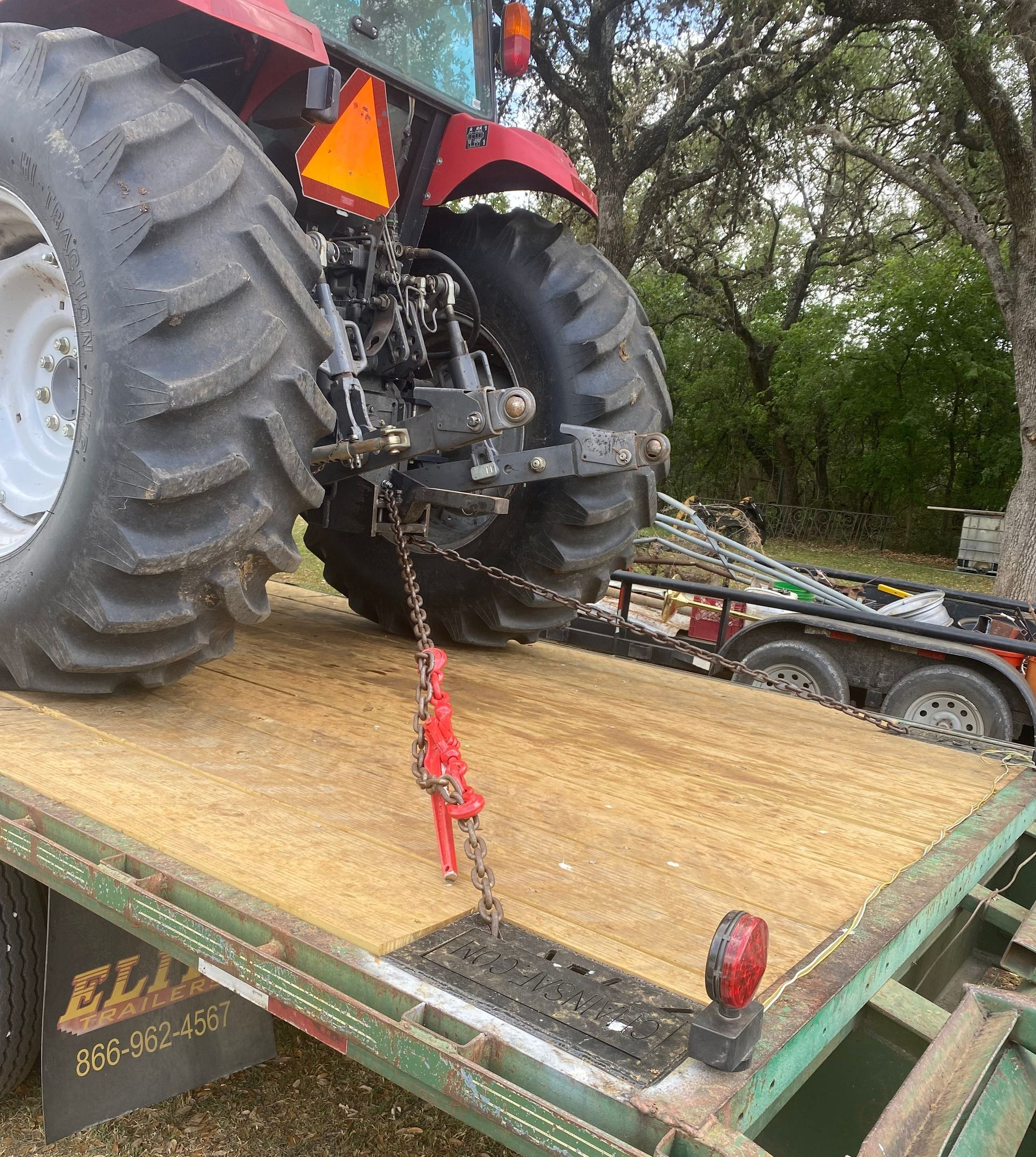
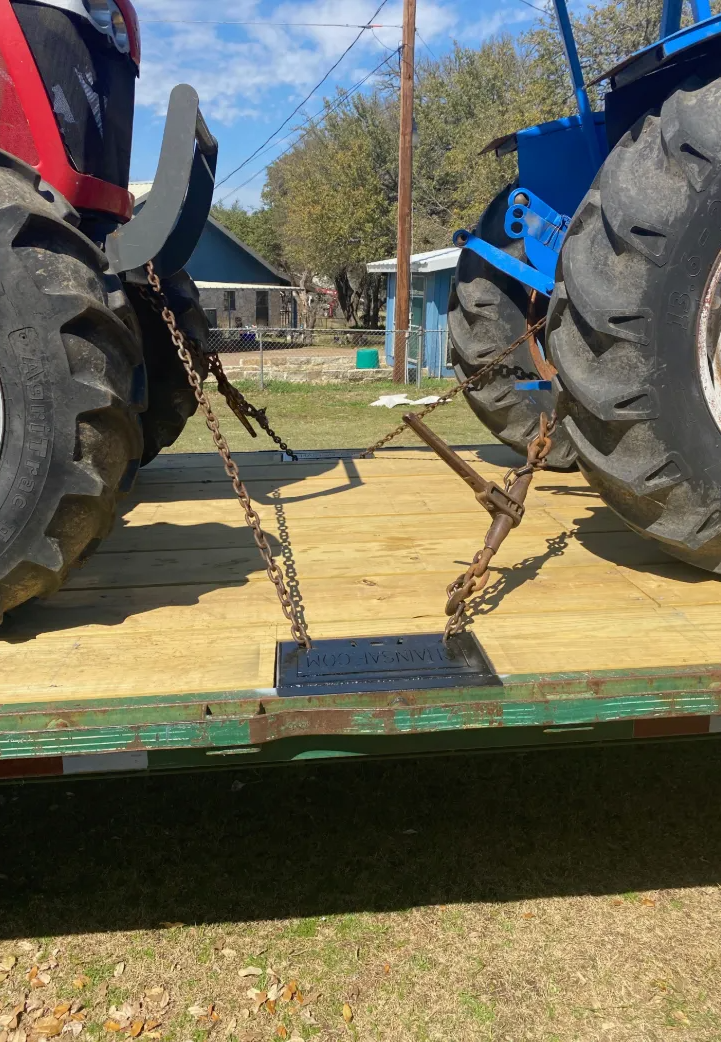
Chainsaf provides integrated securement systems designed to simplify the process, reduce unnecessary movement, and minimize physical strain. By keeping everything built into the trailer and within reach, Chainsaf helps operators work more efficiently and finish the day with less fatigue. To learn more about improving your hauling workflow, contact Chainsaf today.