Why American-Made Equipment Matters in Heavy-Duty Applications
Strength You Can Count On
In industries such as construction, excavation, landscaping, and equipment transport, reliability is not optional. The tools and systems used every day must perform under demanding conditions, often without room for error. When equipment fails, the consequences can include delays, added costs, and potential safety risks. For this reason, many professionals place a strong emphasis on using American-made equipment in heavy-duty applications.
Choosing equipment manufactured in the United States is not only a matter of preference. It often reflects a commitment to durability, quality, and long-term performance in environments where equipment is expected to work hard every day.
Built for Demanding Conditions
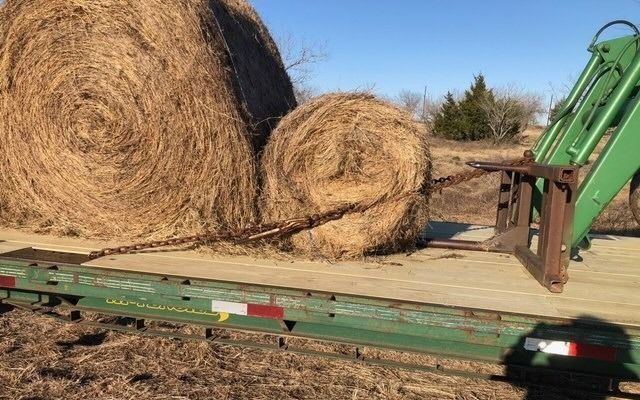
Heavy-duty applications place constant stress on equipment. Securement systems, trailers, and machinery must withstand heavy loads, vibration during transport, and exposure to changing weather conditions.
American-made equipment is often designed with these challenges in mind. Manufacturers that operate within the United States are typically familiar with the specific demands of domestic industries and build products to meet those expectations.
Materials, design standards, and construction methods are selected to ensure that equipment can handle real-world use rather than ideal conditions.
Consistency and Quality Control
One of the key advantages of American manufacturing is consistency. Strict quality control standards help ensure that products are built to perform as expected across repeated use.
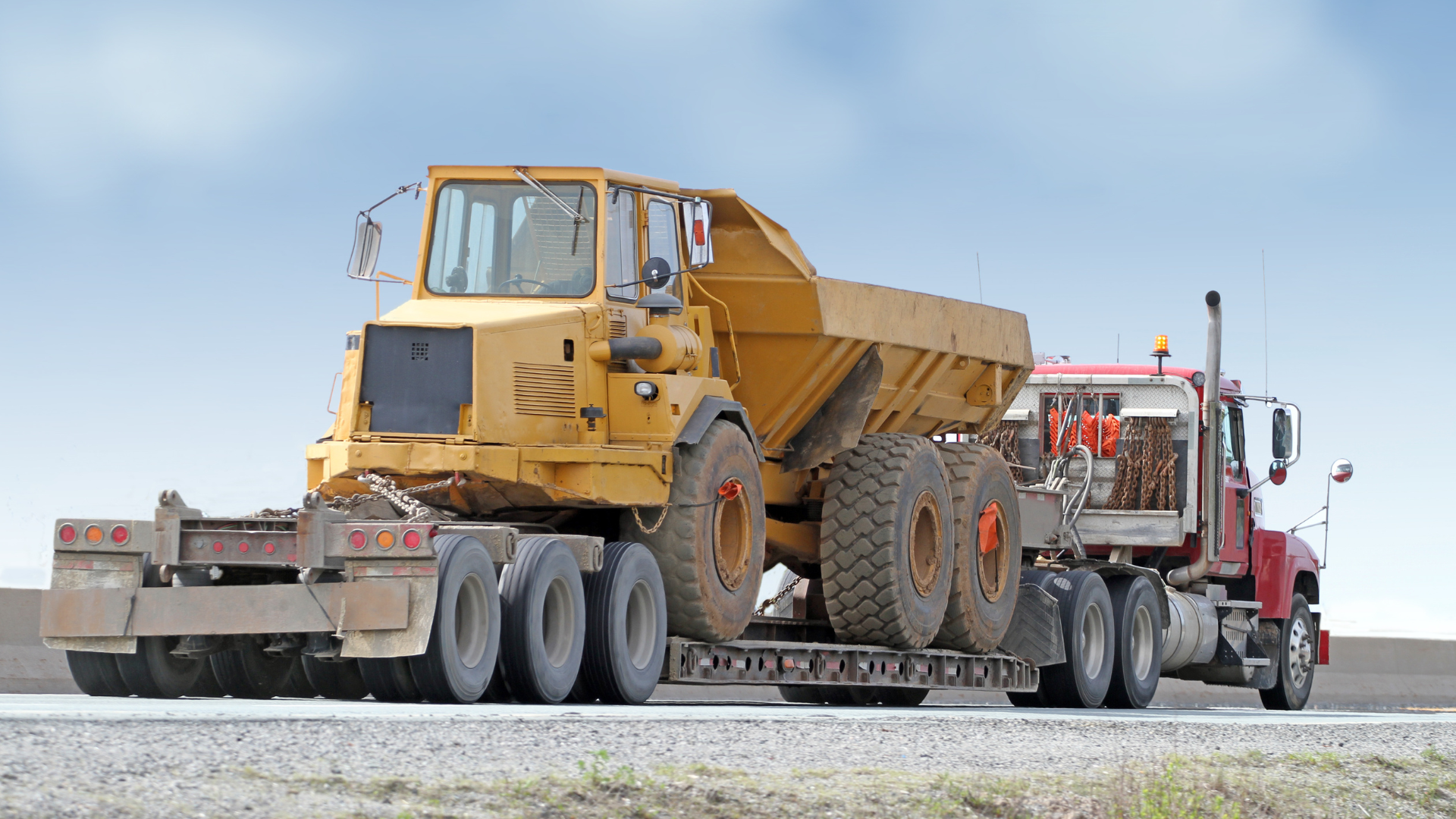
In heavy equipment transport, consistency is critical. Operators rely on securement systems to function the same way every time they are used. Variations in manufacturing quality can lead to unpredictable performance, which increases risk.
Products built under controlled manufacturing processes are more likely to deliver reliable results over time, reducing the likelihood of unexpected issues.
Supporting Safety on the Job
Safety is a central concern in any heavy-duty application. Equipment that fails under stress can create serious hazards for operators and others nearby.
American-made equipment is often designed with safety as a priority. This includes attention to structural integrity, proper load handling, and dependable performance under pressure.
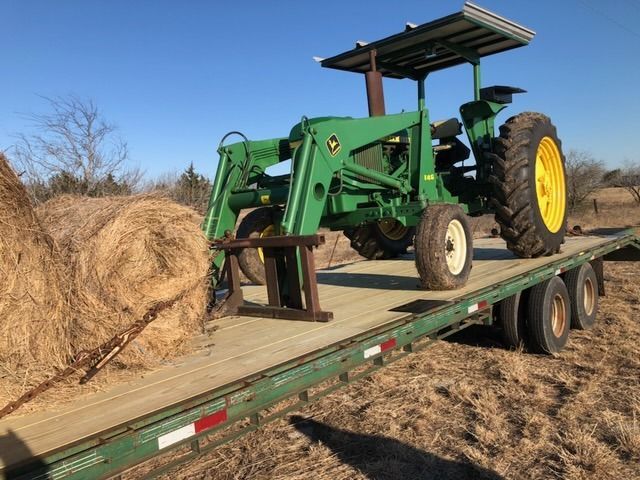
When securement systems are built to high standards, they help ensure that heavy machinery remains stable during transport. This reduces the risk of shifting loads and contributes to safer operations both on the jobsite and on the road.
Long-Term Value and Durability
While initial cost is always a consideration, long-term value is often more important in heavy-duty applications. Equipment that lasts longer and performs reliably can reduce the need for frequent replacements and repairs.
Durable construction helps equipment withstand repeated use without significant wear. Over time, this leads to better overall value and fewer interruptions to daily operations.
Investing in high-quality equipment from the beginning often results in greater efficiency and lower long-term costs.
Designed for Real-World Use
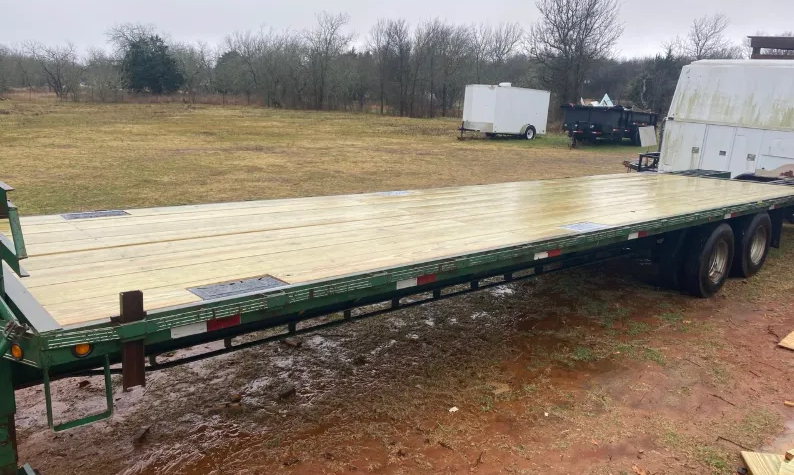
Equipment used in heavy industries must function in a wide range of conditions. From hot summer temperatures to cold, wet environments, products must perform consistently regardless of the setting.
American manufacturers often design equipment with these variables in mind. By focusing on real-world applications, they create solutions that address the challenges operators face on a daily basis.
This practical approach helps ensure that equipment performs reliably in the environments where it is needed most.
Supporting Industry Standards
American-made equipment is typically produced in accordance with established industry standards and regulations. This helps ensure compatibility with existing systems and supports compliance with safety requirements.
For operators, this means greater confidence that the equipment they are using meets recognized standards for performance and safety.
Using equipment that aligns with these standards can also simplify inspections and regulatory compliance.
The Chainsaf Approach
At Chainsaf, we believe that heavy equipment securement systems should be built to meet the demands of the industries they serve. Our products are designed and manufactured in the United States with a focus on durability, efficiency, and safety.
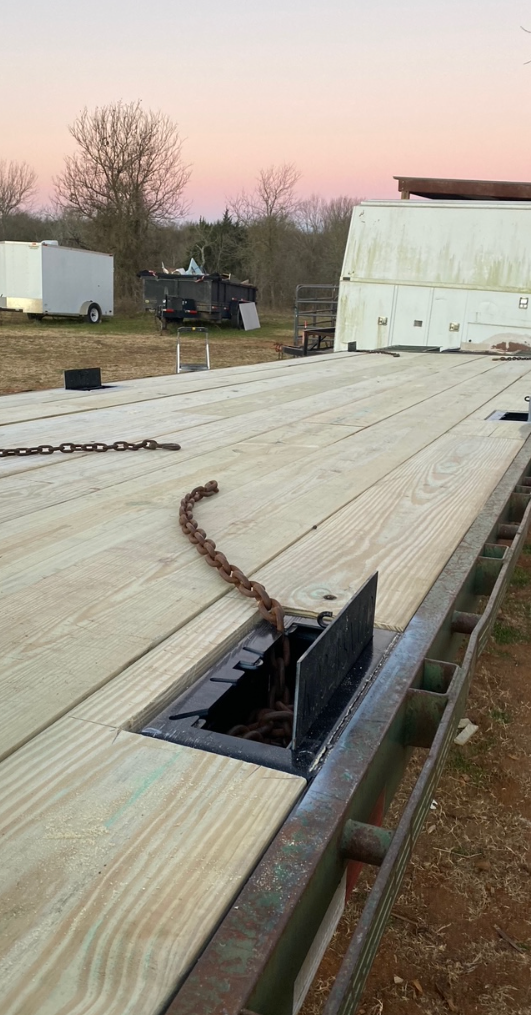
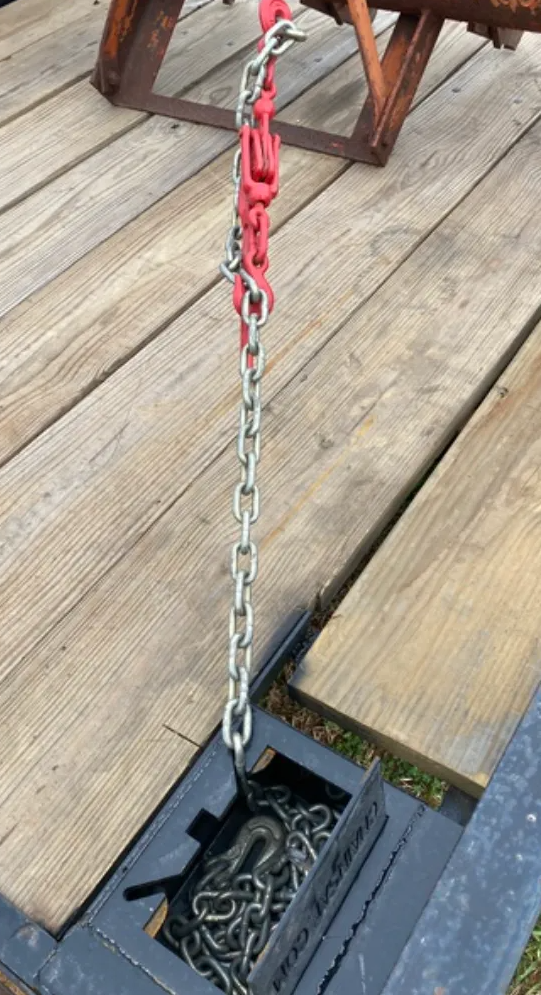
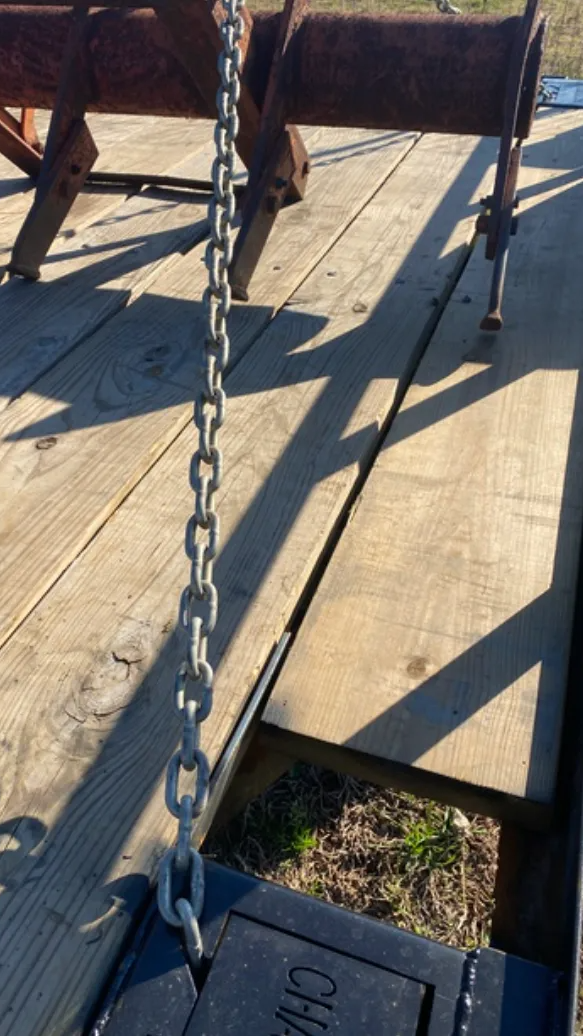
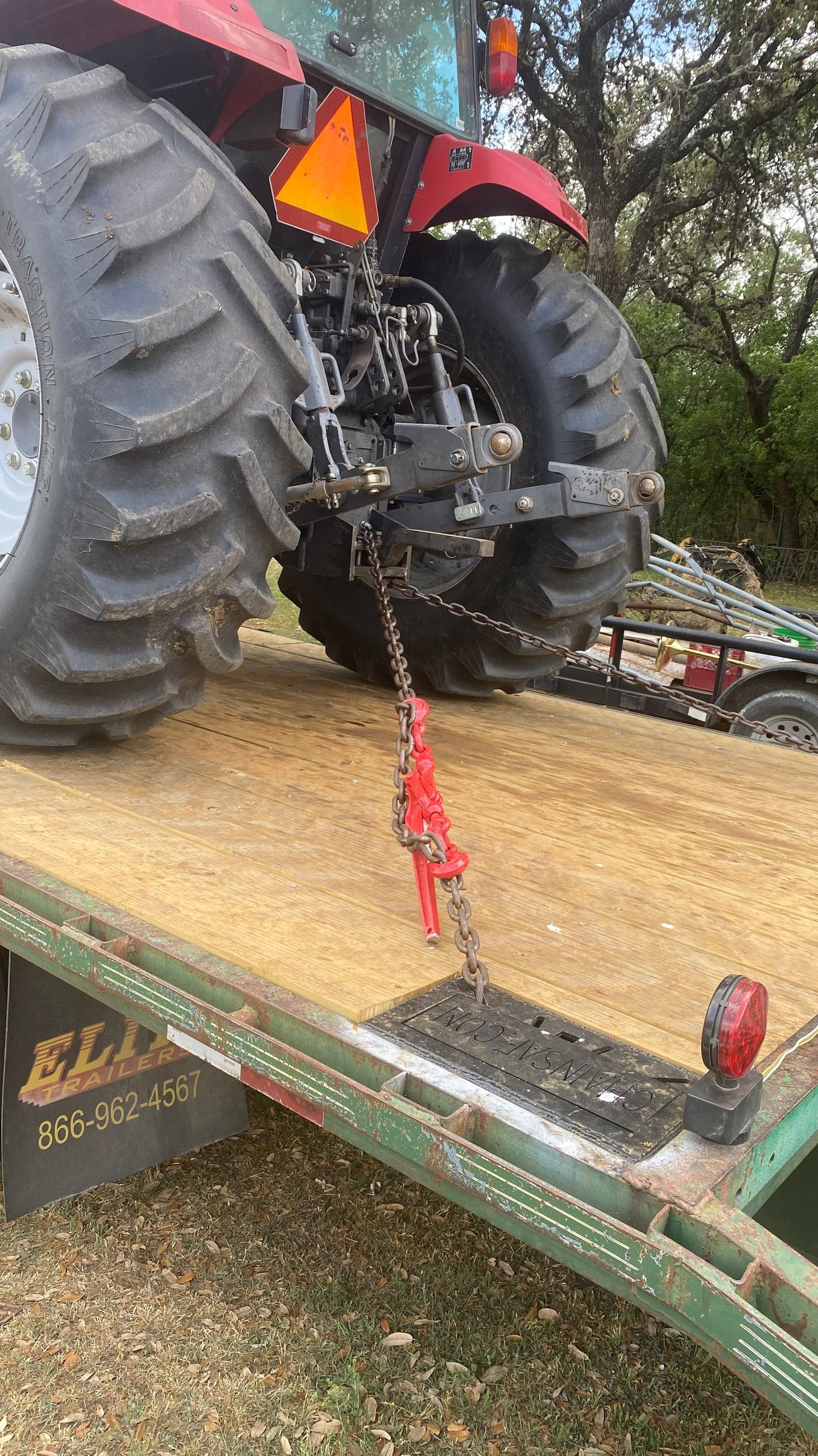
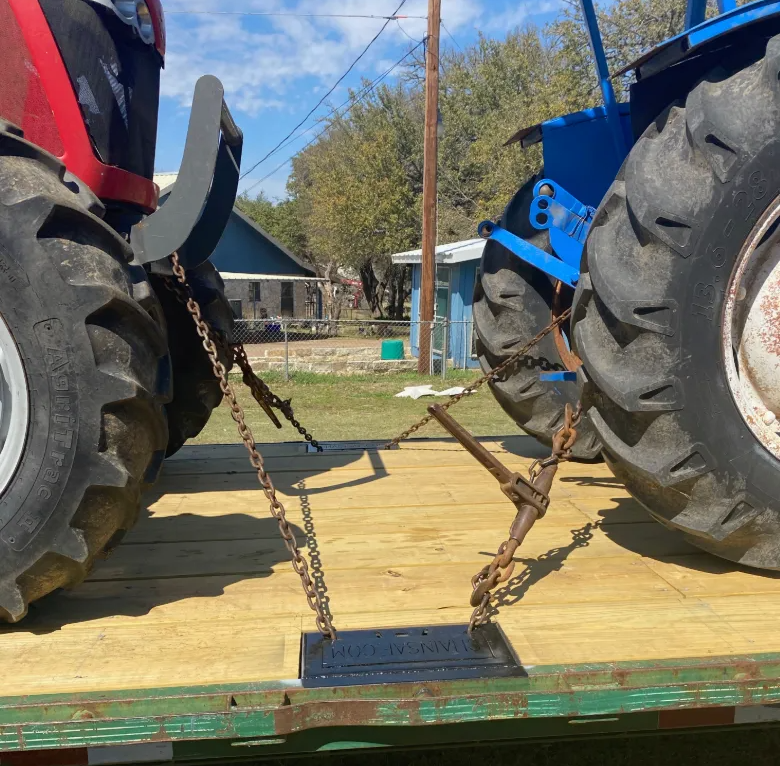
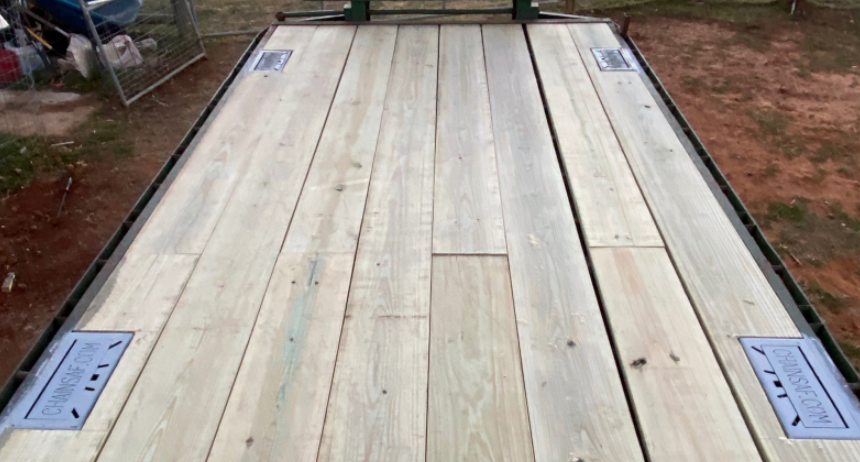
Our flush-mount securement system reflects this commitment by providing a reliable solution that improves how equipment is transported. By reducing obstacles on the trailer deck and streamlining the securement process, we help operators work more efficiently while maintaining strong, dependable load control.
Reliability You Can Count On
In heavy-duty applications, equipment must perform consistently under pressure. American-made products offer a level of reliability that supports safe and efficient operations.
Choosing high-quality, domestically manufactured equipment is an investment in long-term performance. It helps ensure that tools and systems are ready to meet the demands of daily work without compromise.
When reliability matters most, the quality of the equipment behind the work makes all the difference.