How Many Steps Does It Really Take to Secure a Load?

April 1, 2026

For many operators, securing a load is just part of the job. It is something that gets done at the end of loading, often without much thought about the process itself. However, when you take a closer look, traditional load securement involves more steps than most people realize.


Breaking that process down can reveal where time is lost, where effort adds up, and where improvements can make a noticeable difference.


The Process Starts Before You Even Begin

Before chains are tightened or binders are locked, the securement process often begins with gathering equipment. In a traditional setup, this usually means:

  • Walking back to the truck or storage area
  • Retrieving chains, binders, or straps
  • Carrying them to the trailer

This step alone may not seem significant, but it is repeated every time a load is secured. Over the course of a day, that back-and-forth movement adds up.
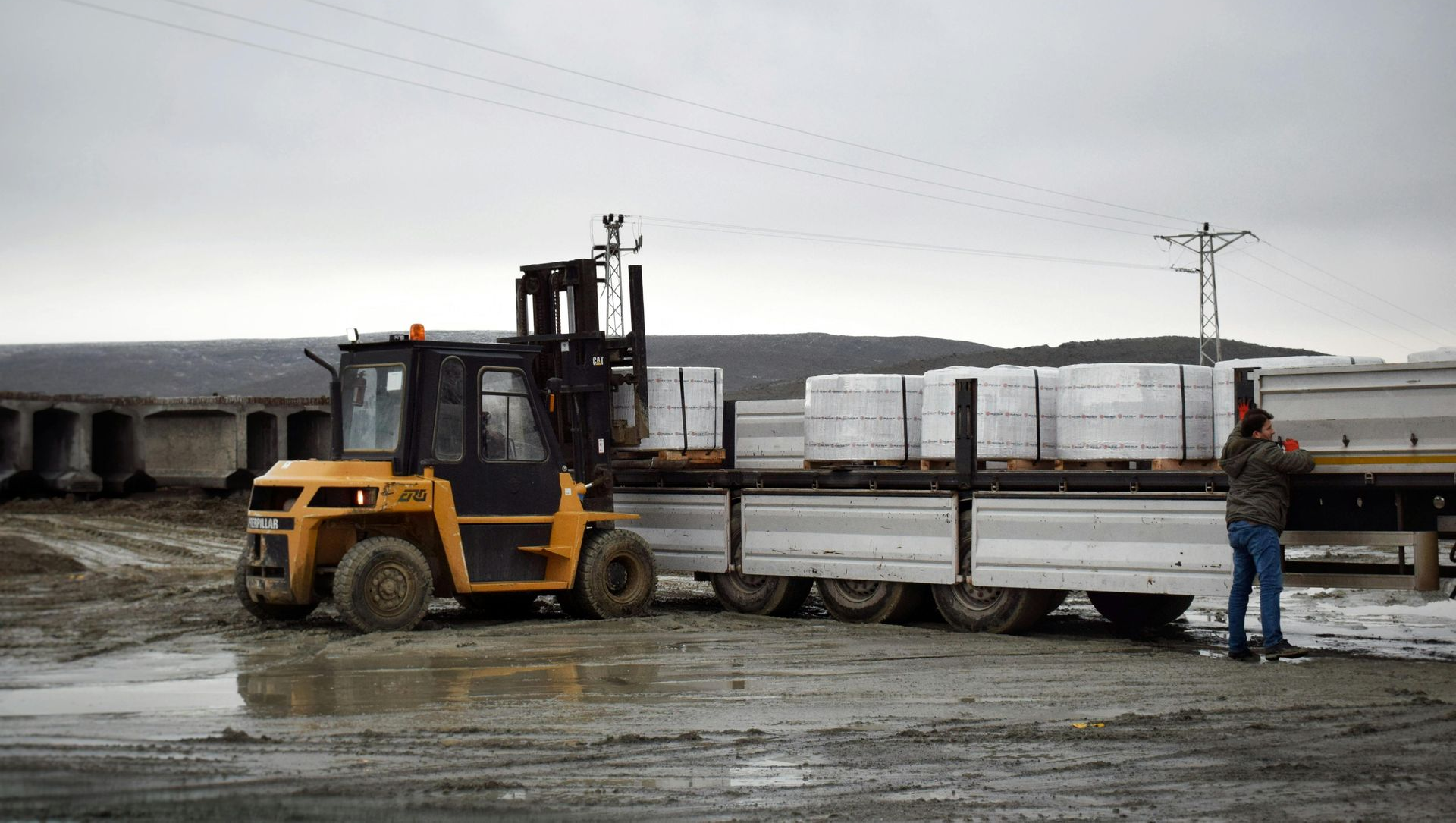
A yellow forklift loads white pallets onto a truck in a muddy, overcast industrial lot.

Climbing and Positioning

Once the equipment is on hand, the next phase typically involves positioning it correctly around the load. This often requires:

  • Climbing onto the trailer
  • Adjusting chains over or around equipment
  • Ensuring proper placement at each tie-down point

Depending on the size and shape of the load, this process can require multiple climbs and repositioning efforts. Each movement takes time and introduces additional physical strain.


Securing Each Connection Point

Most loads require multiple securement points to meet safety standards. For each one, the process generally includes:

  • Feeding the chain through or around the equipment
  • Attaching it to an anchor point
  • Applying tension with a binder or ratchet

These steps must be repeated for every connection. Even when done efficiently, the repetition can slow down the overall process.
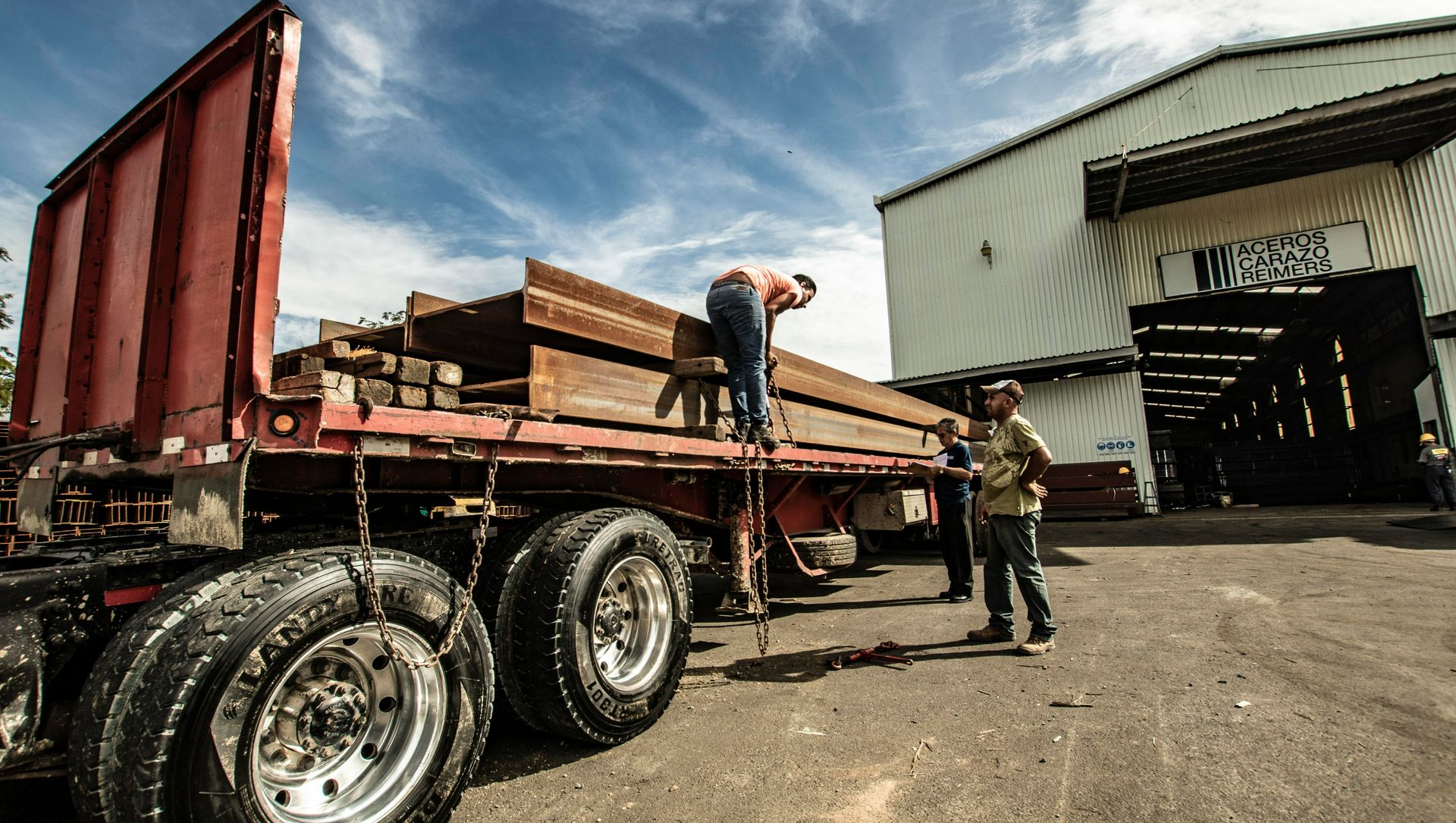
Two workers prepare a flatbed truck loaded with large steel beams outside a warehouse under a bright blue sky.

Double-Checking for Safety

After everything is secured, operators often perform a visual check to ensure that:

  • Chains are properly tensioned
  • Connections are secure
  • Nothing is loose or misaligned

This step is essential for safety, but it adds another layer to the process. If something needs adjustment, it may require repeating earlier steps.


Counting the Steps

When all of these actions are considered together, securing a load is not just a single task. It is a sequence of repeated movements:

  • Walking to retrieve equipment
  • Carrying chains and binders
  • Climbing onto the trailer
  • Positioning and adjusting chains
  • Securing each tie-down point
  • Rechecking and adjusting

For a typical load, this can easily involve dozens of individual steps. While each one may seem minor on its own, the total effort becomes significant.
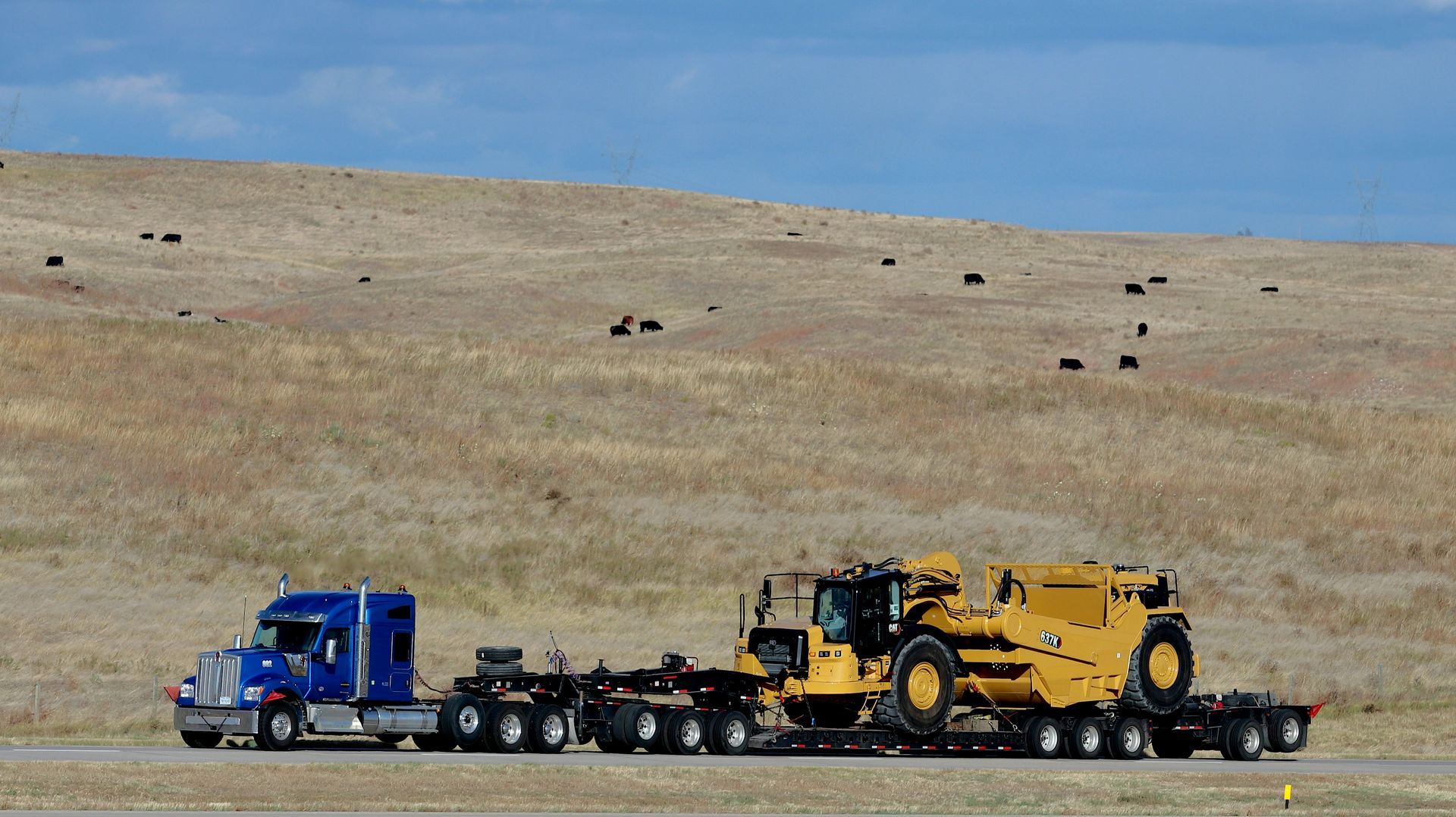
A blue semi-truck pulling a flatbed trailer carrying a yellow Caterpillar scraper on a road against a grassy, hilly backdrop.

Where Time and Effort Add Up

The most time-consuming parts of securement are often not the actual tightening of chains. Instead, it is the movement surrounding the process:

  • Repeated trips to retrieve equipment
  • Climbing on and off the trailer
  • Managing loose chains and binders

These actions create small delays that accumulate over time. They also contribute to fatigue, especially during long workdays.


Rethinking the Process

When you look at securement as a series of steps, it becomes clear that efficiency is not just about working faster. It is about reducing unnecessary movement and simplifying the process.


Improving efficiency can involve:

  • Keeping securement tools within reach
  • Reducing the need to climb repeatedly
  • Organizing equipment so it is always in place

By minimizing extra steps, operators can focus more on doing the job correctly and less on managing the process itself.
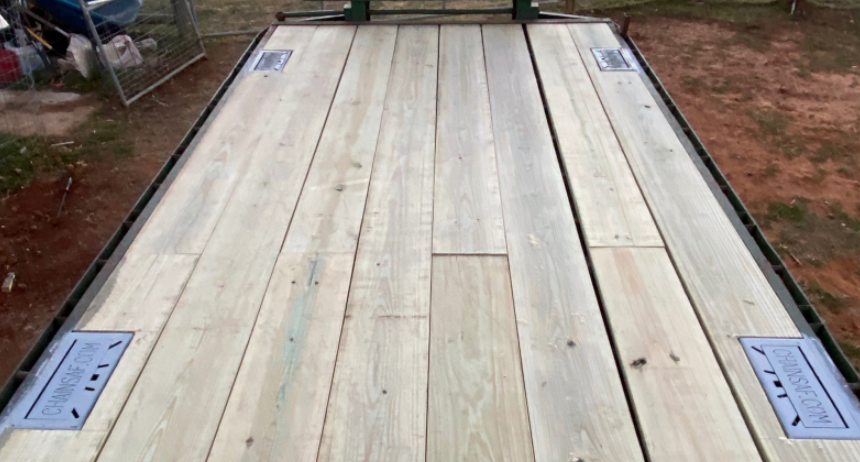
A flatbed trailer featuring new wooden planks and four recessed metal tie-down points at the corners.

A More Streamlined Approach

Modern securement systems are designed with this idea in mind. Instead of treating securement as a separate task, they integrate it into the trailer itself. This reduces the need for extra movement and keeps everything accessible.


The result is a process that feels more direct and less repetitive.


Turning a Routine Task Into a Smarter One

Securing a load will always be a necessary part of hauling. However, the way it is done can make a meaningful difference in both time and effort.


Chainsaf designs integrated securement systems that simplify the process and reduce unnecessary steps. By keeping everything built into the trailer and within reach, Chainsaf helps operators work more efficiently while maintaining safety. To learn more about how you can streamline your hauling process, contact Chainsaf today.
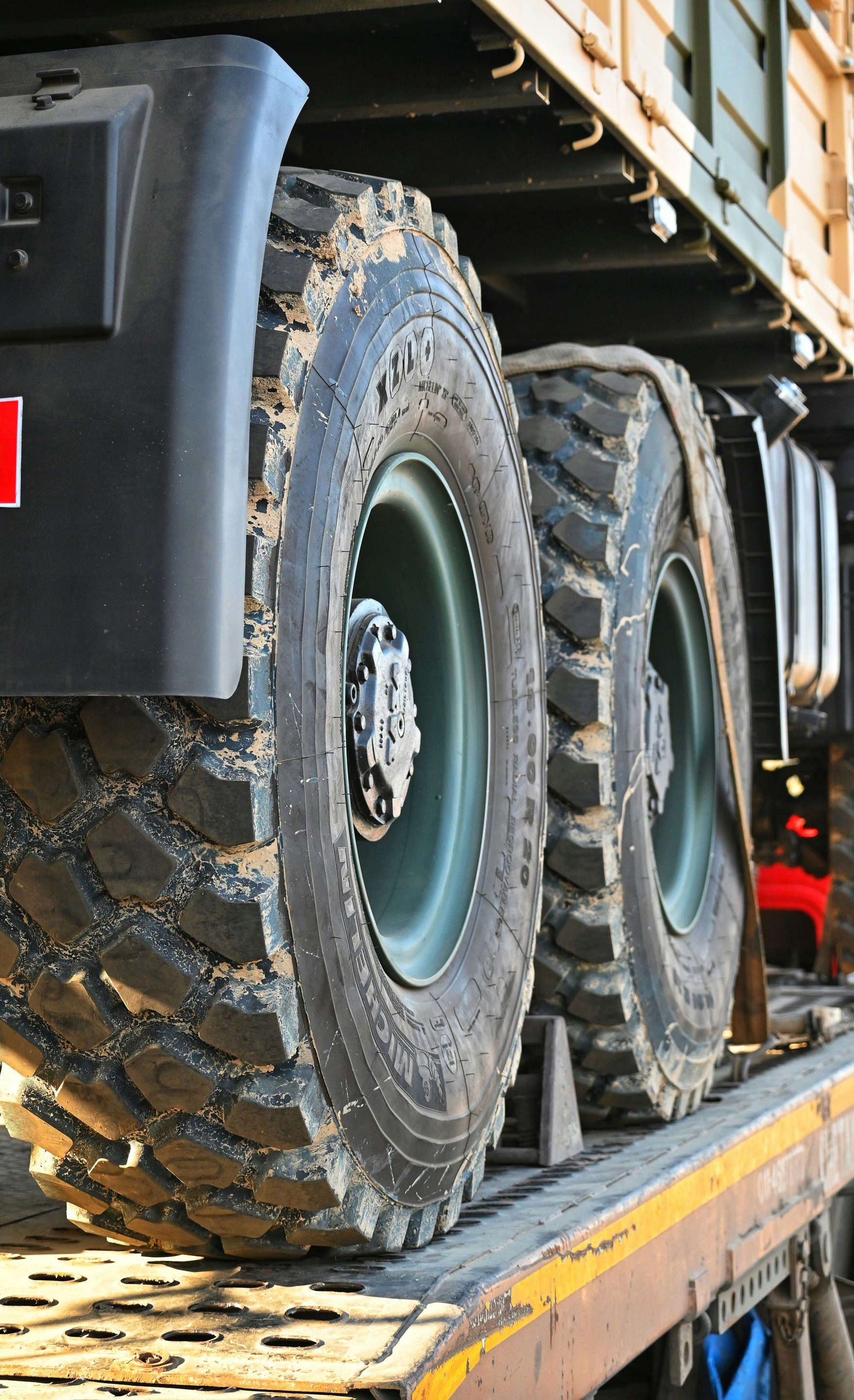
Close-up of two large, deep-tread military truck tires mounted on olive-drab rims, resting on a flatbed transport vehicle.
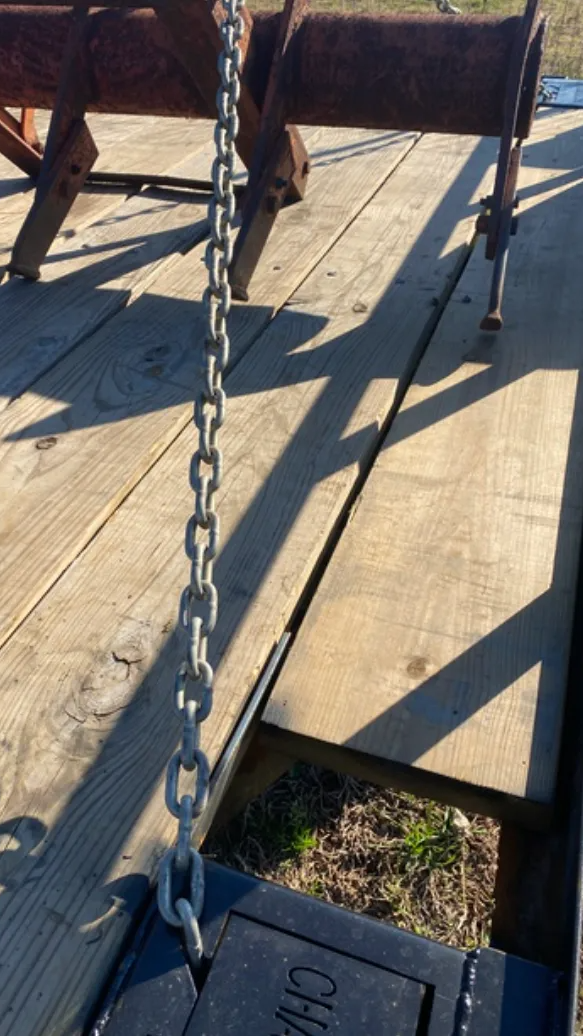
A metal chain hangs vertically from a black tool box mounted on the wooden deck of a trailer, near a rusty metal frame.
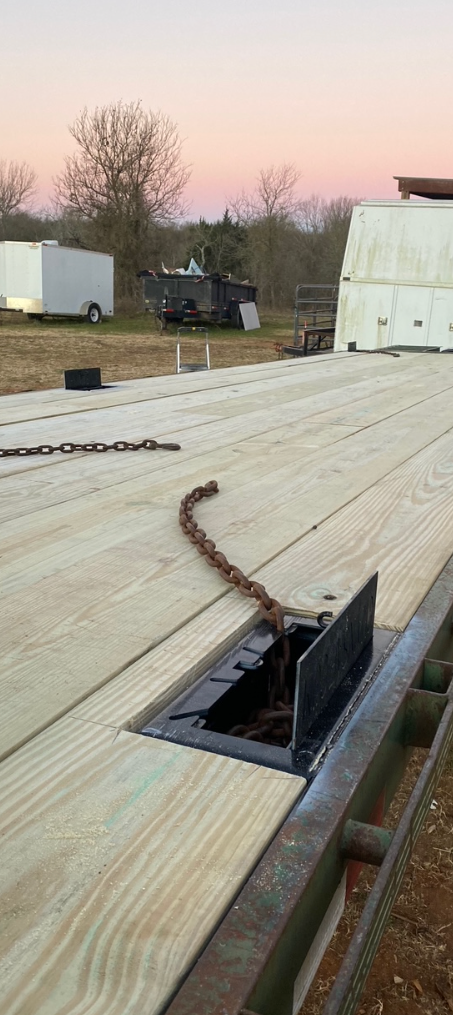
A flatbed trailer with wooden decking features a recessed chain storage box holding a chain at sunset in a rural field.
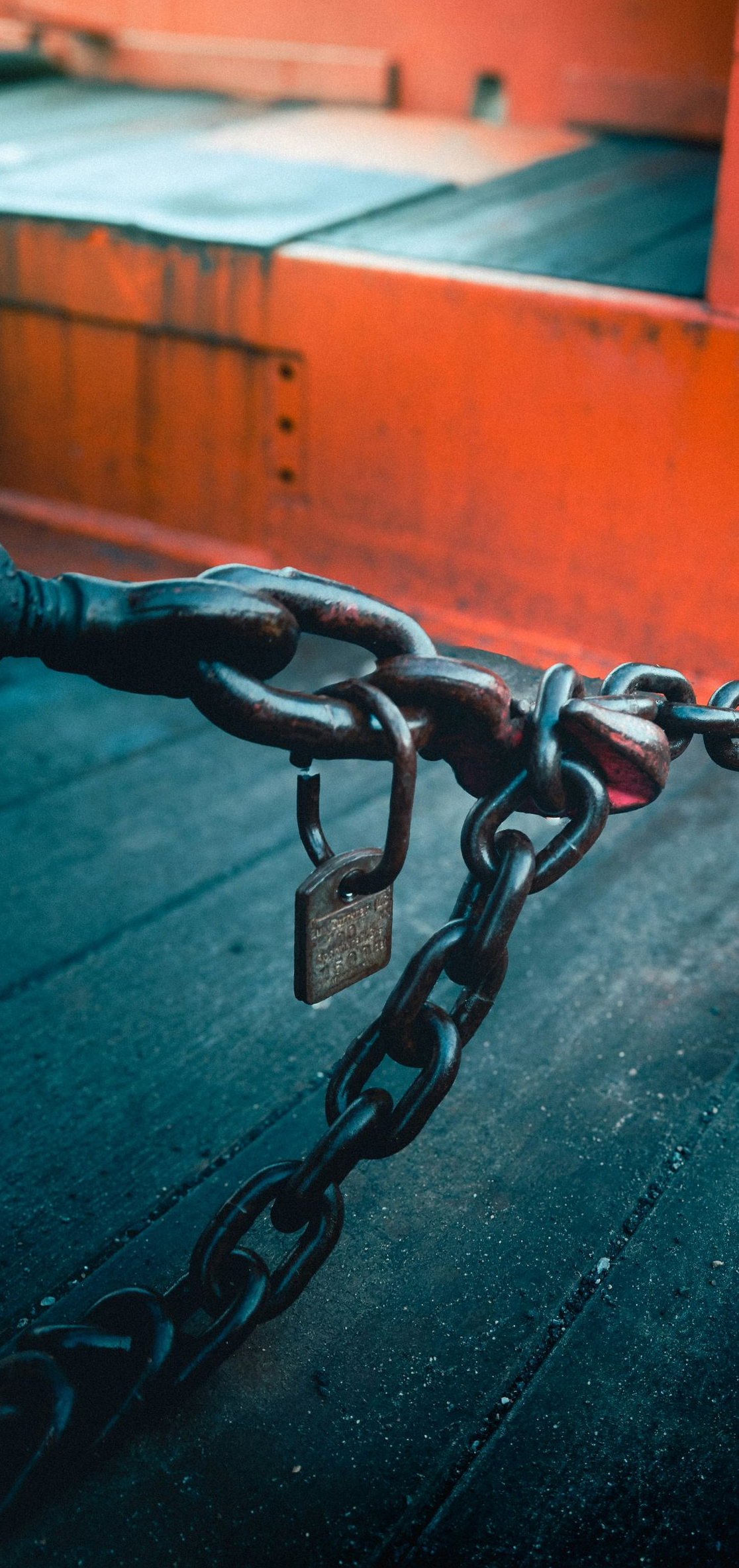
A close-up of a metal chain and padlock secured to an orange industrial structure against a dark, wooden background.
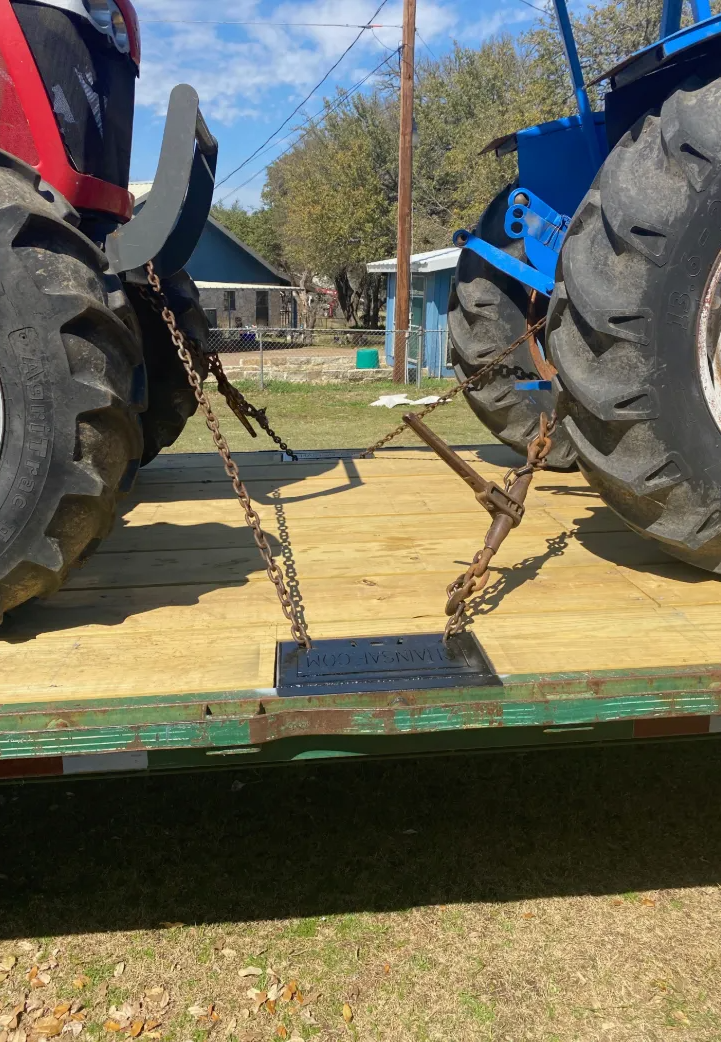
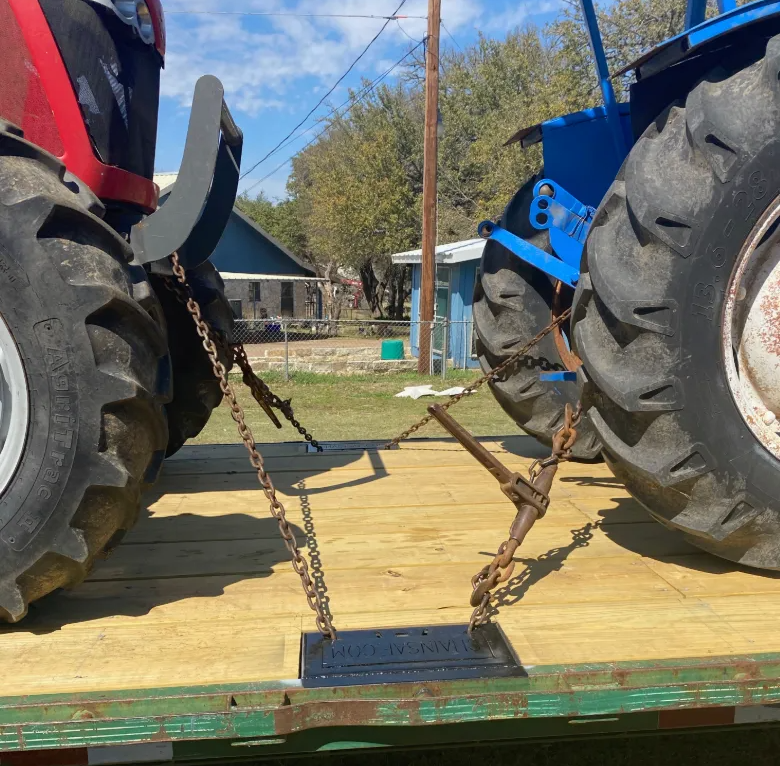
Two tractors are secured with chains to the bed of a flatbed trailer outdoors on a sunny day.
March 27, 2026
Strength You Can Count On In industries such as construction, excavation, landscaping, and equipment transport, reliability is not optional. The tools and systems used every day must perform under demanding conditions, often without room for error. When equipment fails, the consequences can include delays, added costs, and potential safety risks. For this reason, many professionals place a strong emphasis on using American-made equipment in heavy-duty applications. Choosing equipment manufactured in the United States is not only a matter of preference. It often reflects a commitment to durability, quality, and long-term performance in environments where equipment is expected to work hard every day. Built for Demanding Conditions Heavy-duty applications place constant stress on equipment. Securement systems, trailers, and machinery must withstand heavy loads, vibration during transport, and exposure to changing weather conditions. American-made equipment is often designed with these challenges in mind . Manufacturers that operate within the United States are typically familiar with the specific demands of domestic industries and build products to meet those expectations. Materials, design standards, and construction methods are selected to ensure that equipment can handle real-world use rather than ideal conditions.
March 20, 2026
Safe Hauling Starts with Securement Transporting heavy equipment is a routine part of many industries. Construction companies, excavation contractors, landscapers, and equipment rental businesses all depend on moving machinery from one jobsite to another. While loading and unloading equipment often receive the most attention, one of the most critical steps in the entire process is securement. Properly securing equipment to a trailer helps ensure that the machinery arrives safely, protects the operator and other drivers on the road, and helps prevent costly damage. Despite its importance, securement is sometimes treated as a simple final step rather than a central part of safe equipment transport. In reality, it plays a vital role in protecting both people and equipment during transit. Preventing Equipment Movement During Transport Heavy equipment is designed to perform demanding work, but when it is being transported on a trailer, it becomes vulnerable to movement if it is not properly secured. Even minor shifts in position can create dangerous situations on the road. Vehicles encounter many forces during transport, including acceleration, braking, turns, and uneven road surfaces. These forces can cause equipment to shift if the securement system is not strong or stable enough to hold it in place.  A piece of equipment that moves during transit can damage the trailer, create hazards for other vehicles, or in severe cases fall from the trailer entirely. Proper securement ensures that the equipment remains firmly anchored throughout the journey.
March 27, 2026
Strength You Can Count On In industries such as construction, excavation, landscaping, and equipment transport, reliability is not optional. The tools and systems used every day must perform under demanding conditions, often without room for error. When equipment fails, the consequences can include delays, added costs, and potential safety risks. For this reason, many professionals place a strong emphasis on using American-made equipment in heavy-duty applications. Choosing equipment manufactured in the United States is not only a matter of preference. It often reflects a commitment to durability, quality, and long-term performance in environments where equipment is expected to work hard every day. Built for Demanding Conditions Heavy-duty applications place constant stress on equipment. Securement systems, trailers, and machinery must withstand heavy loads, vibration during transport, and exposure to changing weather conditions. American-made equipment is often designed with these challenges in mind . Manufacturers that operate within the United States are typically familiar with the specific demands of domestic industries and build products to meet those expectations. Materials, design standards, and construction methods are selected to ensure that equipment can handle real-world use rather than ideal conditions.
March 20, 2026
Safe Hauling Starts with Securement Transporting heavy equipment is a routine part of many industries. Construction companies, excavation contractors, landscapers, and equipment rental businesses all depend on moving machinery from one jobsite to another. While loading and unloading equipment often receive the most attention, one of the most critical steps in the entire process is securement. Properly securing equipment to a trailer helps ensure that the machinery arrives safely, protects the operator and other drivers on the road, and helps prevent costly damage. Despite its importance, securement is sometimes treated as a simple final step rather than a central part of safe equipment transport. In reality, it plays a vital role in protecting both people and equipment during transit. Preventing Equipment Movement During Transport Heavy equipment is designed to perform demanding work, but when it is being transported on a trailer, it becomes vulnerable to movement if it is not properly secured. Even minor shifts in position can create dangerous situations on the road. Vehicles encounter many forces during transport, including acceleration, braking, turns, and uneven road surfaces. These forces can cause equipment to shift if the securement system is not strong or stable enough to hold it in place.  A piece of equipment that moves during transit can damage the trailer, create hazards for other vehicles, or in severe cases fall from the trailer entirely. Proper securement ensures that the equipment remains firmly anchored throughout the journey.