How Securement Time Affects Overall Jobsite Productivity
On most jobsites, efficiency is measured by how quickly work gets done once equipment is in place. Crews focus on excavation, grading, lifting, or installation, and productivity is often evaluated based on those visible activities. What is less frequently considered is how much time is lost before and after that work begins. Equipment transport, and specifically the time spent on load securement, plays a significant role in overall productivity.
At Chainsaf, improving efficiency starts by looking at the entire workflow, not just the work performed on site.
The Hidden Time Cost of Securement
Securement is often treated as a necessary step rather than a critical part of the job. It happens at the end of a task, when crews are ready to move on, and again when equipment is loaded for the next location. Because it is routine, the time spent on it is rarely analyzed.
However, when securement takes longer than expected, those minutes begin to add up. Over the course of a day or week, repeated delays can significantly impact schedules. Crews may spend more time preparing to move equipment than actually using it.
This hidden time cost can affect project timelines in ways that are not immediately obvious.
Transition Time Between Jobsites
Productivity is not only about performance at a single location. It also depends on how efficiently crews move from one jobsite to the next. Securement plays a key role in this transition.
If loading and securing equipment is slow or inconsistent, it creates delays that carry over into the next phase of work. Arrival times shift, setup is delayed, and the overall pace of the project slows down.
Reducing securement time helps ensure that transitions are smoother and that crews can begin work sooner at each location.
The Impact of Complexity
Traditional securement methods can be time-consuming, particularly when they involve multiple steps, adjustments, and checks. Variability in how different operators approach securement can also lead to inconsistencies.
When a process is complex, it is more likely to take longer and require additional attention. This not only affects efficiency but can also increase the potential for errors or missed steps.
Simplifying securement reduces the time required to complete the task and makes the
process more consistent across different operators and conditions.
Balancing Speed and Safety
There is often a concern that reducing securement time may compromise safety. In reality, efficiency and safety are not opposing goals. A well-designed securement system should support both.
When securement is straightforward and repeatable, it becomes easier to perform correctly every time. This reduces the need for rework and helps ensure that loads are properly secured without unnecessary delays.
The goal is not to rush the process, but to make it more efficient without sacrificing reliability.
Cumulative Effects on Productivity
Small time savings in securement can have a large cumulative impact. Saving just a few minutes during each loading and unloading cycle can translate into hours over the course of a project.
These gains allow crews to:
- Complete more work within the same timeframe
- Reduce idle time between tasks
- Maintain a more consistent schedule
Over time, these improvements contribute to better overall productivity and more predictable project outcomes.
The Role of System Design
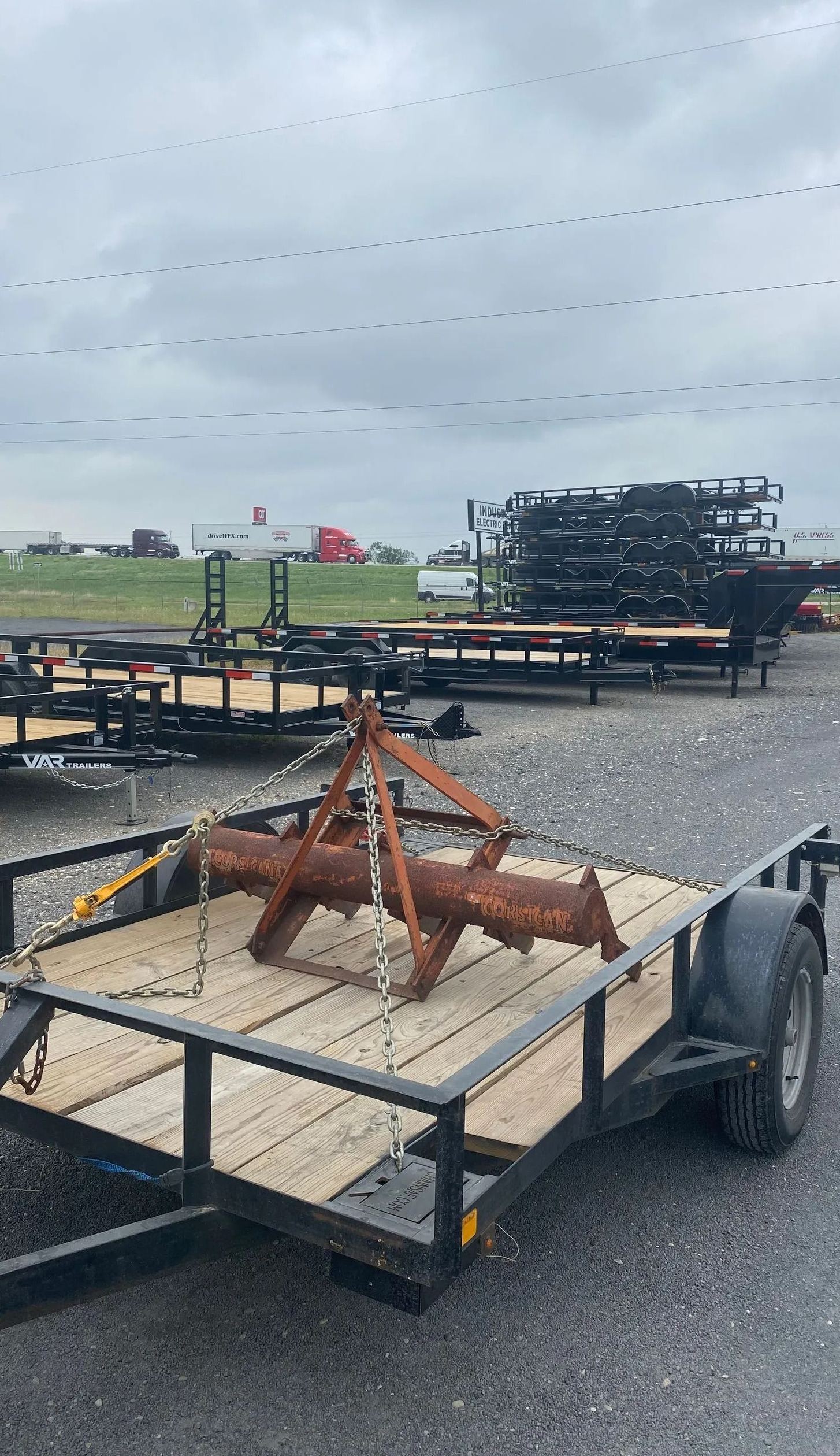
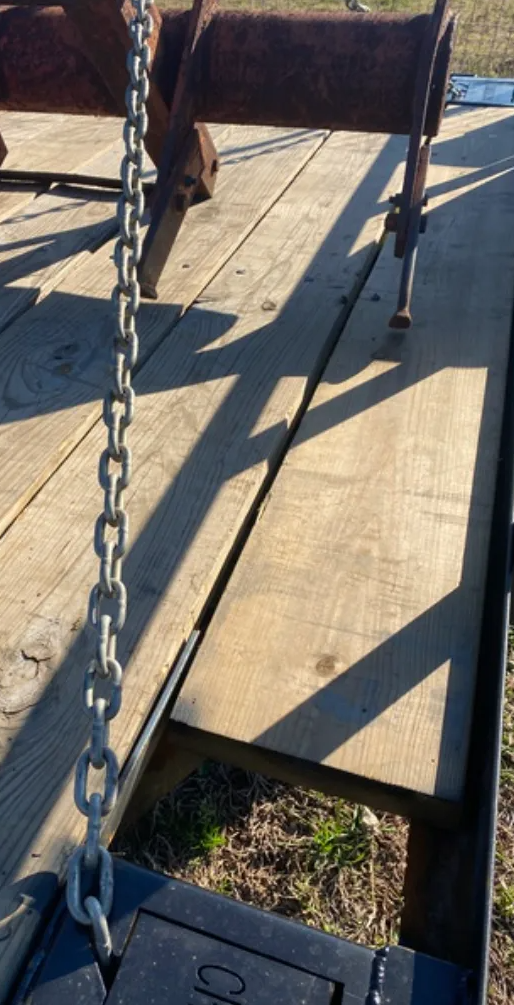
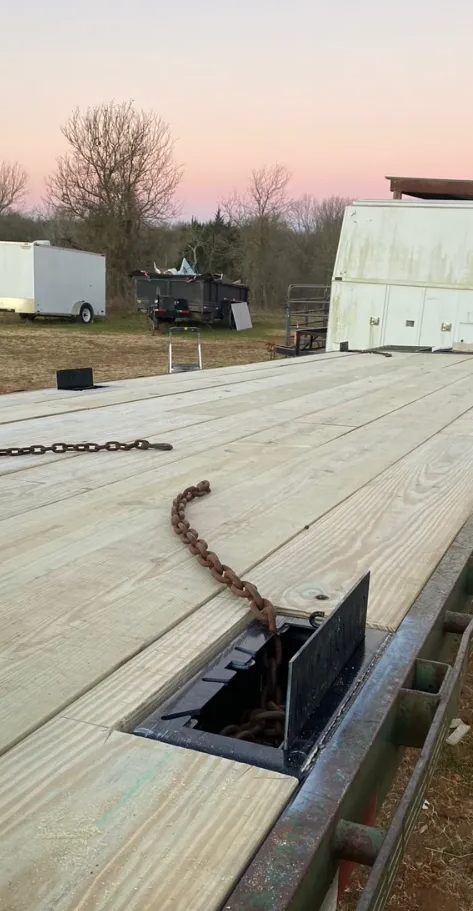
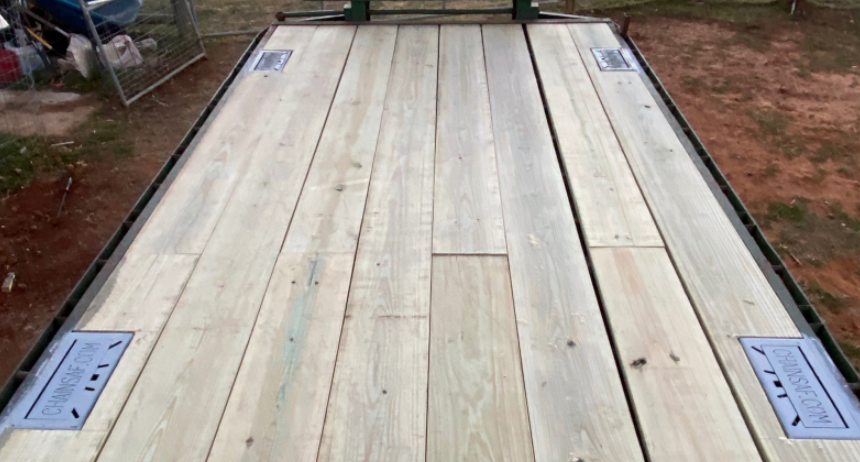
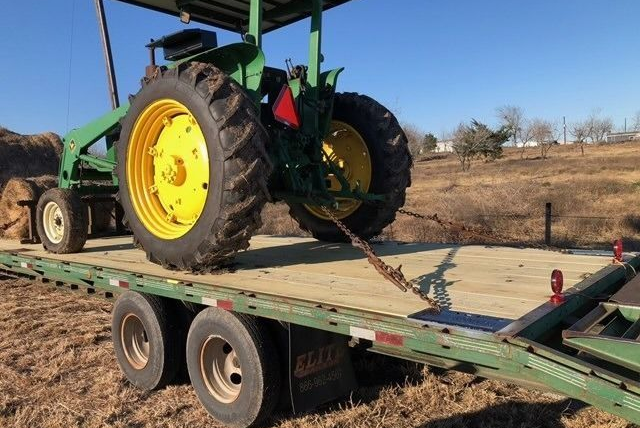
Securement efficiency is influenced by the design of the system being used. Equipment, trailers, and securement methods all play a role in how quickly and effectively a load can be secured.
Systems that are designed for real-world conditions, with a focus on simplicity and integration, tend to perform better in the field. They reduce the number of steps required and support consistent results, regardless of who is operating them.
This approach aligns securement with the broader goal of improving workflow across the entire job.
A More Efficient Approach to Equipment Transport
Securement is not just a safety requirement. It is a key part of how work gets done. By improving how equipment is secured and transported, it is possible to reduce delays, streamline transitions, and increase overall productivity.
Chainsaf develops securement solutions designed to improve both efficiency and reliability in real-world conditions. By focusing on systems that are easier to use and more consistent in performance, the goal is to support crews in working more effectively from start to finish.
If you are looking to reduce downtime and improve workflow across your jobsites, contact Chainsaf to explore securement solutions that help you get more done with less wasted time.